
Introduction
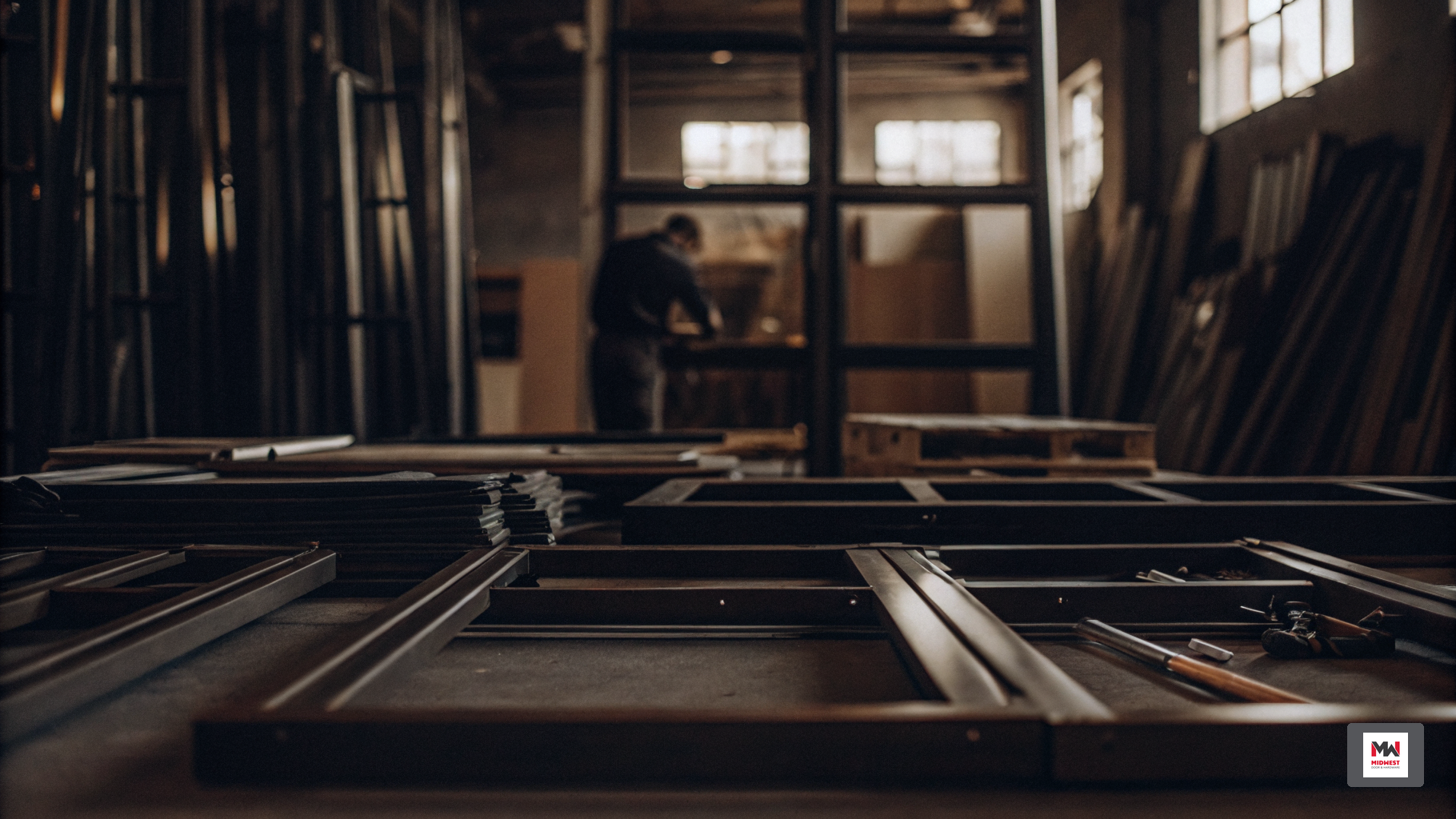
Selecting and installing hollow metal (HM) doors and frames is essential for ensuring safety and functionality in commercial spaces. Contractors must ensure compliance with various standards while addressing both aesthetic and operational needs. Navigating the complexities of material selection, installation techniques, and ongoing maintenance is key to achieving optimal performance and longevity. This article delves into the best practices for choosing and installing HM doors and frames, providing valuable insights that can enhance project outcomes and safeguard investments.
Evaluate Quality Standards for HM Doors and Frames
When selecting hollow metal structures, understanding and prioritizing quality standards is essential for ensuring safety and durability. Key standards to consider include:
- ANSI/SDI A250.8: This standard outlines the construction and performance requirements for steel doors and frames, ensuring they meet durability and safety benchmarks.
- Fire Ratings: Ensure that the entrances and structures are rated for fire resistance according to local building codes. Common ratings include 20, 45, 60, and 90 minutes, depending on the application.
- Gauge of Steel: The thickness of the metal utilized in the entrance and structure significantly affects their strength and durability. Common gauges range from 14 to 18, with lower numbers indicating thicker, more robust materials.
- Manufacturer Certifications: Look for products from manufacturers certified by organizations like the Steel Door Institute (SDI) or the Hollow Metal Manufacturers Association (HMMA), which ensure adherence to industry standards for hm doors and frames.
Neglecting these standards can lead to compromised safety and increased liability for contractors. By adhering to these standards, contractors can enhance the safety and longevity of their projects. Ultimately, adherence to these standards not only safeguards the project but also enhances the contractor's reputation for quality and reliability.

Identify Key Selection Criteria for HM Doors and Frames
Selecting the right hm doors and frames is critical for ensuring safety, functionality, and compliance in commercial projects. Contractors must consider several key criteria:
- Purpose of the Door: Identify whether the door will serve interior or exterior functions, as this decision significantly influences material choice and design specifications.
- Security Requirements: Assess the security needs for the installation. Enhanced security applications frequently require thicker gauges and sophisticated locking systems, as metal commercial entries can lower burglary risk by up to 62%.
- Environmental Conditions: Evaluate the environmental factors the entrance will face, such as moisture exposure or extreme temperatures. These conditions can influence material choice and finish longevity, making it crucial to select options engineered to endure severe weather.
- Aesthetic Considerations: While functionality is crucial, the visual attractiveness of the entrance is also important in commercial settings. Contractors should investigate various finishes and styles to ensure the entrance complements the overall design of the building, as approximately 70% of builders prioritize aesthetics in their selections.
- Compliance with Building Codes: Confirm that the selected entries and structures conform to local building codes, including accessibility standards and fire safety regulations. Fire-rated steel entries are crucial in numerous commercial uses, as they are evaluated to endure flames for periods varying from 20 to 90 minutes.
By thoroughly assessing these criteria, contractors can choose structures and components like hm doors and frames that not only meet project specifications but also enhance the building's safety and operational efficiency.

Implement Best Practices for Installing HM Doors and Frames
To achieve optimal performance in the installation of hollow metal doors and frames, contractors must follow specific best practices:
- Preparation: Prior to installation, it is essential to verify that the rough opening is plumb, level, and square. This foundational step is essential for alignment and function. Misalignment can cause significant operational challenges and escalate maintenance expenses.
- Use of Shims: Employ shims during installation to adjust the structure, ensuring it remains plumb and square. This practice is crucial in preventing binding or misalignment once the entrance is hung. Case studies have demonstrated that proper shim usage significantly improves stability and door operation.
- Secure Anchoring: Adhere to manufacturer guidelines for anchoring the structure to the wall. Using suitable fasteners and confirming that the frame is firmly connected prevents movement over time, which is essential for preserving the integrity of the setup.
- Hardware Installation: Install hardware according to the manufacturer's specifications, ensuring that hinges, locks, and other components are correctly positioned and aligned. Proper hardware setup is crucial for the functionality and security of the entrance.
- Final Adjustments: After installation, conduct a thorough check of the entrance's operation. Make necessary adjustments to ensure smooth opening and closing, and verify that all seals are intact to prevent air and water infiltration. Routine evaluations after installation can aid in recognizing potential problems early, improving the durability of the entries.
Implementing these best practices not only enhances the installation quality of hm doors and frames but also safeguards against future operational challenges.

Establish Maintenance Protocols for Longevity and Performance
To maximize the lifespan and performance of hm doors and frames, a proactive maintenance strategy is essential. Contractors should establish comprehensive maintenance protocols, supported by the services offered by Midwest Door & Hardware:
- Regular Inspections: Conduct periodic inspections to check for signs of wear, damage, or misalignment. Look for issues such as rust, loose hardware, or damaged seals. Midwest Door & Hardware offers support for these inspections to address issues promptly.
- Cleaning: Clean the surface of the entrances regularly using a mild detergent solution to remove dirt and grime. Avoid abrasive cleaners that can damage the finish. We can advise on the best cleaning methods to keep your entries in top shape.
- Lubrication: Apply lubricant to hinges and locks to ensure smooth operation. Regular lubrication can prevent squeaking and prolong the life of moving parts. Midwest Door & Hardware can assist with this process during installation or maintenance visits.
- Repainting: If the entry's finish shows signs of wear or damage, consider repainting to protect against corrosion and maintain aesthetic appeal. Use paint appropriate for metallic surfaces. Our experts can recommend suitable products and techniques for repainting.
- Documentation: Keep a maintenance log to track inspections, repairs, and any adjustments made. This documentation can be valuable for warranty claims and future maintenance planning. Midwest Door & Hardware encourages contractors to maintain thorough records to facilitate ongoing support and service.
By following these protocols and leveraging the expertise of Midwest Door & Hardware, contractors can significantly enhance the durability and appearance of their hm doors and frames.

Conclusion
Selecting and installing hollow metal doors and frames without a careful approach can lead to safety risks and compliance failures. To enhance the performance and durability of hollow metal doors and frames, focus on four essential steps:
- Prioritize quality standards
- Understand key selection criteria
- Implement best installation practices
- Establish maintenance protocols
The article highlights the importance of evaluating quality standards, such as ANSI/SDI A250.8 and fire ratings, which are crucial for ensuring the safety and reliability of HM doors and frames. Additionally, identifying key selection criteria - like the door's purpose, security requirements, and environmental conditions - allows contractors to make informed choices that align with project specifications. Following best practices during installation, such as proper preparation, secure anchoring, and thorough final adjustments, further contributes to the effectiveness of the installation process.
A proactive maintenance strategy is key to ensuring that HM doors and frames last longer and perform better. Regular inspections, cleaning, lubrication, and documentation of maintenance activities ensure that these structures remain in optimal condition. By adhering to these best practices, contractors not only enhance the safety and functionality of their projects but also build a reputation for quality and reliability in the industry. By committing to these practices, contractors can avoid costly mistakes and ensure long-term project success.
Frequently Asked Questions
What are the key quality standards to consider for hollow metal doors and frames?
Key quality standards include ANSI/SDI A250.8, fire ratings, gauge of steel, and manufacturer certifications.
What does the ANSI/SDI A250.8 standard specify?
The ANSI/SDI A250.8 standard outlines the construction and performance requirements for steel doors and frames, ensuring they meet durability and safety benchmarks.
Why are fire ratings important for hollow metal structures?
Fire ratings are important because they ensure that entrances and structures are rated for fire resistance according to local building codes, which can include ratings of 20, 45, 60, and 90 minutes depending on the application.
How does the gauge of steel affect hollow metal doors and frames?
The gauge of steel, which indicates the thickness of the metal, significantly affects the strength and durability of the doors and frames. Common gauges range from 14 to 18, with lower numbers indicating thicker and more robust materials.
What should be considered regarding manufacturer certifications?
It is important to look for products from manufacturers certified by organizations such as the Steel Door Institute (SDI) or the Hollow Metal Manufacturers Association (HMMA), as these certifications ensure adherence to industry standards for hollow metal doors and frames.
What are the consequences of neglecting quality standards for hollow metal doors and frames?
Neglecting these standards can lead to compromised safety and increased liability for contractors, potentially affecting the safety and longevity of their projects.
List of Sources
- Evaluate Quality Standards for HM Doors and Frames
- One moment, please... (https://csdma.org/blogs)
- Steel Door Institute | Steel Door & Frame Resources (https://steeldoor.org)
- HMMA National Association of Architectural Metal Manufacturers (https://naamm.org/division/5)
- Metal Doors Market Size, Opportunities & YoY Growth Rate 2033 (https://coherentmarketinsights.com/industry-reports/metal-doors-market)
- Hollow Metal Manufacturers Association National Association of Architectural Metal Manufacturers (https://naamm.org/division/news/5)
- Identify Key Selection Criteria for HM Doors and Frames
- 10 Essential Metal Commercial Doors for Your Next Project (https://midwestdoor.net/news/10-essential-metal-commercial-doors-for-your-next-project)
- Best Practices for Selecting and Installing HM Doors for Contractors (https://midwestdoor.net/news/best-practices-for-selecting-and-installing-hm-doors-for-contractors)
- usabuildersdepot.com (https://usabuildersdepot.com/blogs/news/steel-door-guide?srsltid=AfmBOoooalGX8Zcr0B-pTwGW3Zm6QtCiGjXtNgIQ5xTTLfc3LSKsAwY0)
- 5 Surprising Stats About Commercial Door Services Failures That Every Property Owner Should Know (https://ohdctexoma.com/5-surprising-stats-about-commercial-door-services-failures-that-every-property-owner-should-know)
- Commercial Doors & Architectural Hardware | Mills & Nebraska (https://millsnebraska.com/blog/understanding-division-8-products-commercial-doors-frames-hardware)
- Implement Best Practices for Installing HM Doors and Frames
- Case Studies & Completed Projects | Door Control Services (https://doorcontrolservices.com/about-us/case-study-library)
- Recommended Erection Instructions for Steel Frames | Steel Door Institute (https://steeldoor.org/ansi-250-11)
- Best Practices for Selecting and Installing HM Doors for Contractors (https://midwestdoor.net/news/best-practices-for-selecting-and-installing-hm-doors-for-contractors)
- Establish Maintenance Protocols for Longevity and Performance
- cdfdistributors.com (https://cdfdistributors.com/blog/post/cleaning-maintaining-commercial-metal-doors)
- Maintenance of Standard Steel Doors and Frames | Steel Door Institute (https://steeldoor.org/sdi-124)
- Optimizing Commercial Security with Proper Door Maintenance | Retail Maintenance Specialists (https://retailmsc.com/blog/optimizing-commercial-security-efficiency-with-proper-door-maintenance)
- Understanding the Importance of Regular Commercial Door Maintenance - Access Overhead Door (https://accessoverheaddoor.com/understanding-the-importance-of-regular-commercial-door-maintenance)
- Best Practices for Selecting and Installing HM Doors for Contractors (https://midwestdoor.net/news/best-practices-for-selecting-and-installing-hm-doors-for-contractors)
Related News
Check out more of what we’ve worked on.