

Introduction
In the realm of steel door fabrication, achieving success requires a strategic focus on precision and compliance. Implementing best practices aligned with industry standards enhances product quality and durability while streamlining operations. The challenge lies in effectively integrating these practices amidst compliance complexities and stakeholder communication. This article outlines four essential strategies to elevate steel door fabrication processes, ensuring safety and excellence in every project.
Understand Industry Standards and Compliance Requirements
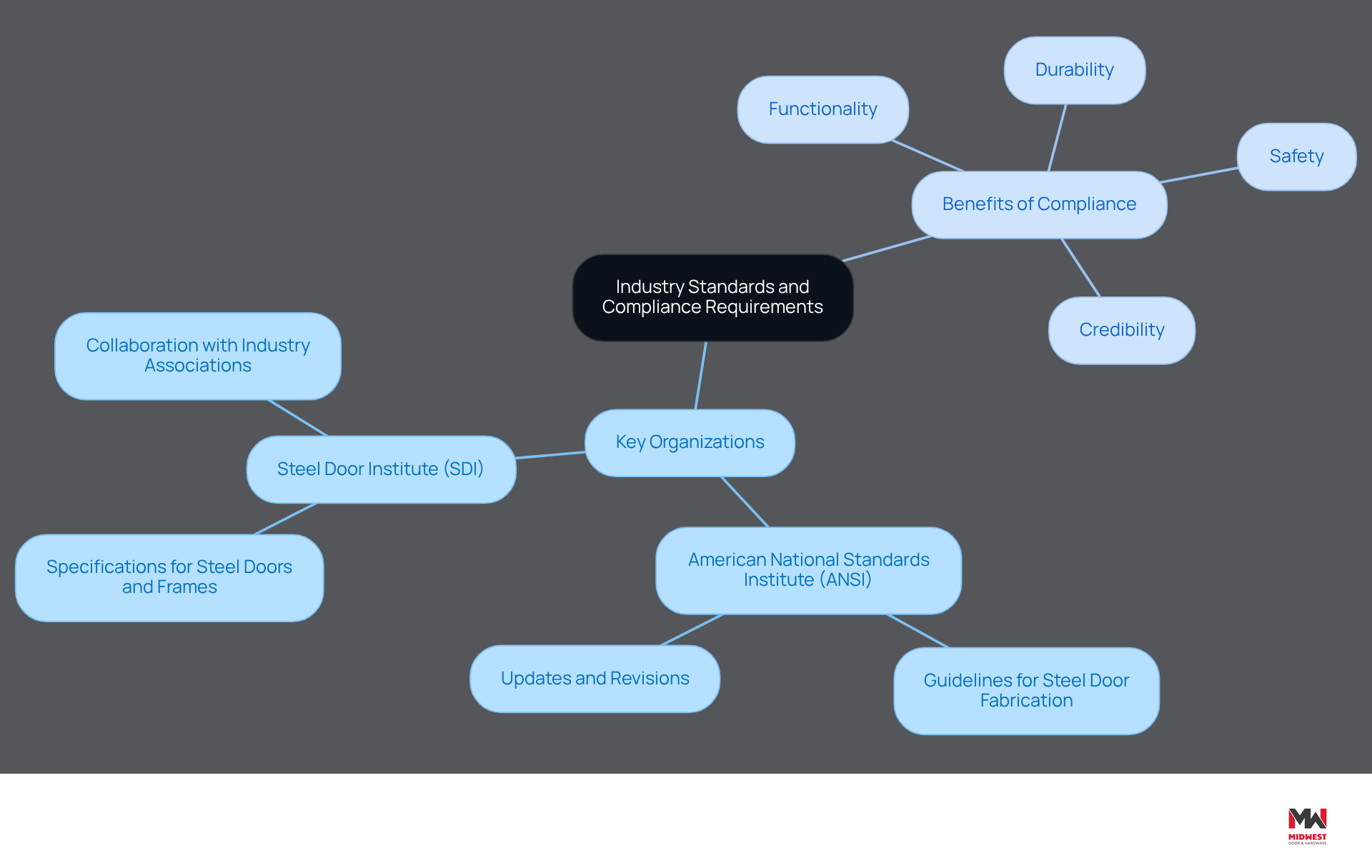
Understanding and adhering to industry standards is crucial for success in steel fabrication. Familiarize yourself with the American National Standards Institute (ANSI) and the Steel Door Institute (SDI) guidelines, which outline specifications for steel door fabrication and frames. Following these standards ensures safety while enhancing the durability and functionality of your doors.
Regularly review updates to these guidelines to stay informed about changes that may affect your manufacturing processes. Additionally, obtaining certifications that show compliance with these standards can boost your credibility with clients and stakeholders.
Implement Precision Fabrication Techniques
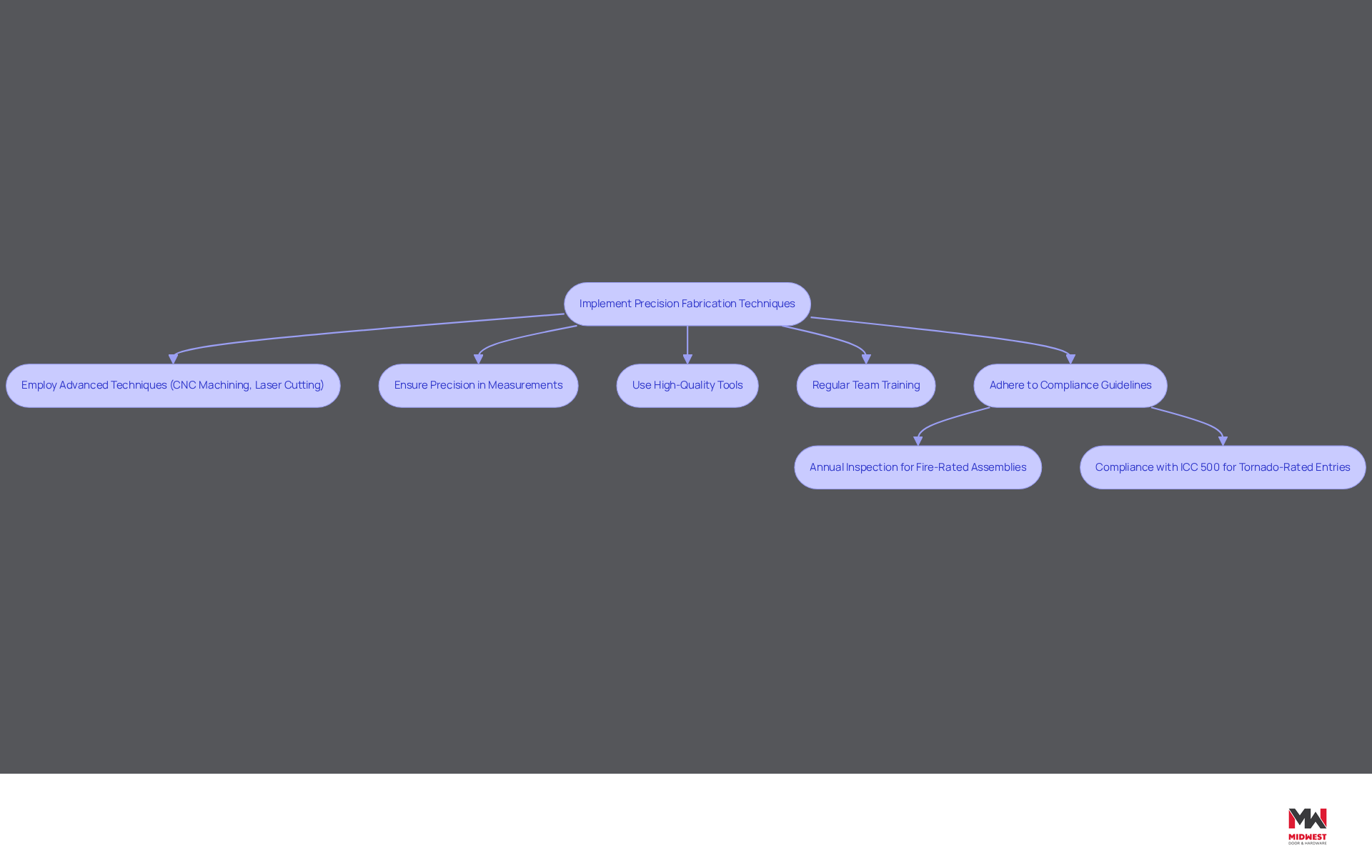
Achieving precision in steel door fabrication is non-negotiable for quality outcomes. Employ advanced techniques such as CNC machining and laser cutting to achieve exceptional accuracy. Ensuring precision in measurements is critical to avoid costly errors and material waste. High-quality tools and machinery are essential for maintaining tight tolerances in the manufacturing process. Regular training for your team on the latest fabrication technologies enhances precision and efficiency. Prioritizing these practices significantly improves product quality and reduces the risk of costly mistakes.
CNC machining and laser cutting enhance the accuracy of steel entries and minimize waste. Statistics indicate that precision manufacturing techniques can lead to a significant decrease in material waste, optimizing resource use and enhancing sustainability in production. Successful implementations of these technologies in steel door fabrication have demonstrated enhanced product quality and consistency, meeting the stringent demands of various industries.
Furthermore, adherence to compliance guidelines is essential. Ensure that all fire-rated entry assemblies undergo annual inspection and testing per NFPA 80, supported by documented maintenance programs. For tornado-rated entries, strict compliance with ICC 500 standards is mandatory, with no substitutions allowed. The hardware used must be listed and compliant with interior egress requirements, as non-listed hardware is unacceptable. These practices uphold safety standards and fortify the reliability of your projects.
Establish Robust Quality Control Protocols
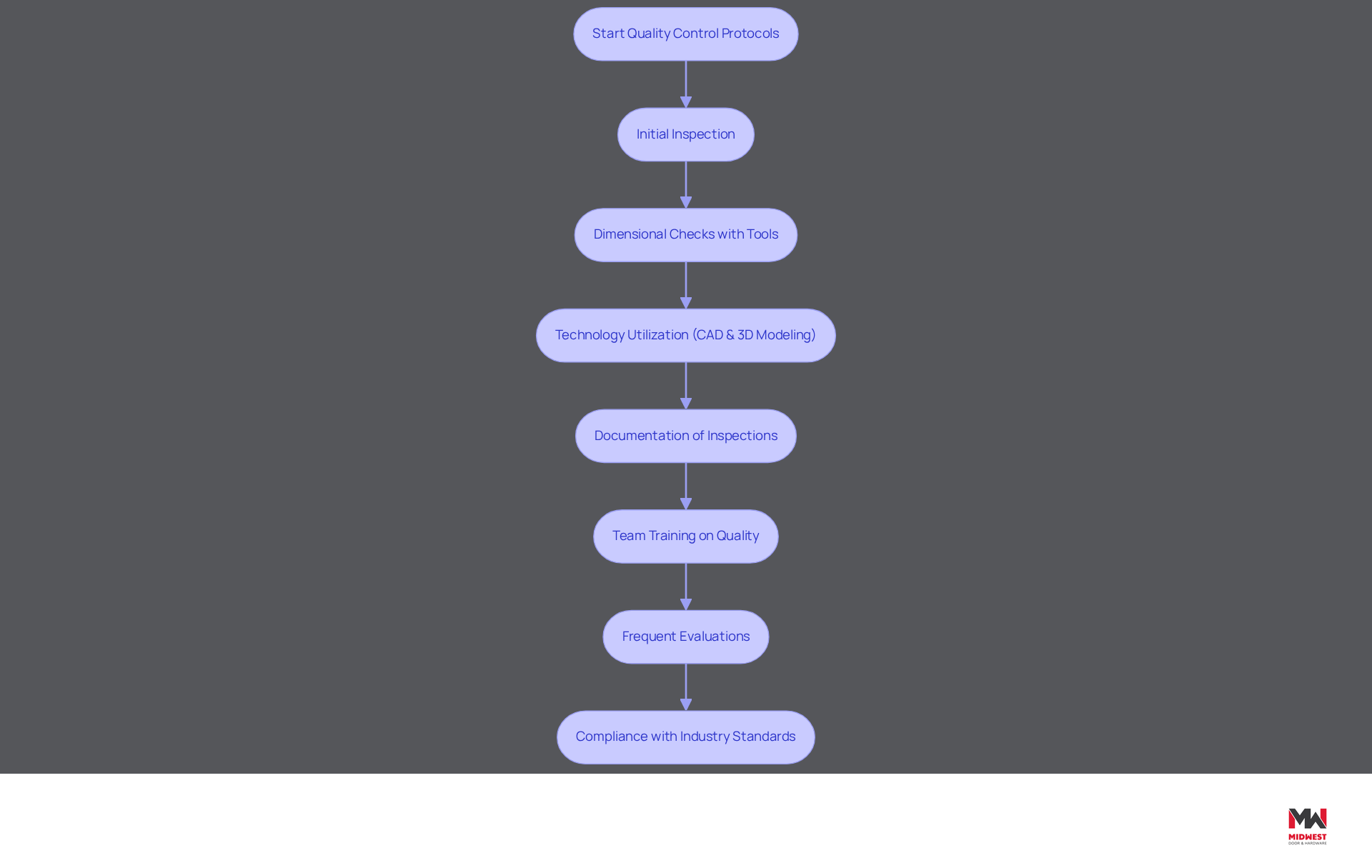
To achieve the highest standards in steel door fabrication, implementing rigorous control protocols is essential. A multi-stage inspection process is vital, involving checks at various points throughout the steel door fabrication workflow. This approach ensures that any defects are identified early, minimizing the risk of costly rework. Tools such as calipers and gauges should be utilized to measure dimensions and tolerances accurately, ensuring compliance with stringent specifications.
Using technology such as CAD and 3D modeling enhances design accuracy and reduces errors in the control process. Documentation of all inspections is essential; maintaining records enables tracking performance trends over time and supports ongoing enhancement. Fostering a culture of quality within your team is crucial for maintaining high standards. Teaching your team about excellence criteria and why these protocols matter fosters a commitment to quality.
Frequent evaluations of your quality control procedures can assist in pinpointing areas for enhancement and ensure adherence to industry regulations, including the required annual inspection and testing of fire-rated entry assemblies per NFPA 80. Additionally, strict adherence to ICC 500 standards for tornado-rated entries is essential, particularly for designated storm shelters, where no substitutions or equivalents are allowed. It is also critical to ensure that tornado-rated shelter entrance hardware is listed and compliant with interior egress requirements, as non-listed hardware is unacceptable. This thorough approach not only enhances product reliability but also solidifies customer confidence in the quality of your steel door fabrication.
Enhance Communication and Collaboration Among Stakeholders
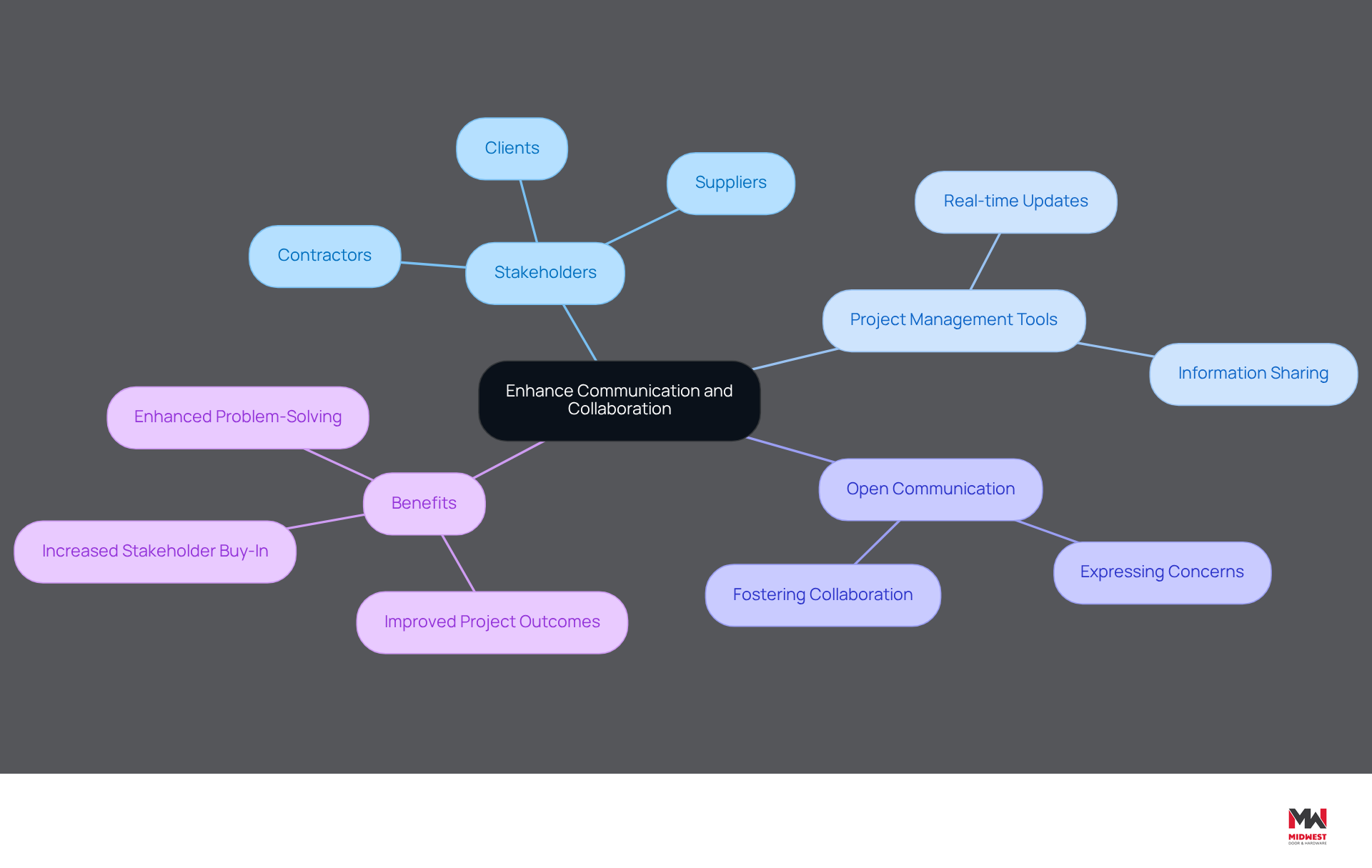
Prioritizing effective communication and teamwork is crucial for the success of steel structure projects. Regular meetings with all stakeholders, including contractors, suppliers, and clients, are vital for aligning project timelines and expectations. Project management tools are essential for sharing information effectively, ensuring all team members are updated on progress and can communicate in real-time. Open communication encourages team members to express concerns and suggestions, fostering a collaborative environment. This collaboration enhances problem-solving and aligns all parties toward a common goal, improving project outcomes. Effective collaboration among stakeholders significantly boosts project success rates, making it essential in the steel door fabrication industry.
Conclusion
In the competitive realm of steel door fabrication, understanding and implementing best practices is crucial for success. Manufacturers can enhance their operations by focusing on:
- Industry standards
- Precision techniques
- Quality control
- Effective communication
This approach helps deliver superior products that meet client needs.
Key insights from the article emphasize the importance of adhering to industry standards set by organizations like ANSI and SDI, which ensure safety and durability. Precision fabrication techniques, such as CNC machining and laser cutting, are crucial for minimizing waste and maximizing quality. Establishing robust quality control protocols helps identify defects early in the process, while fostering a culture of quality within the team ensures ongoing improvement. Additionally, enhancing communication and collaboration among all stakeholders streamlines project management and aligns efforts toward common goals.
In tornado-prone regions like Nebraska, safety and compliance are paramount. Therefore, the significance of these best practices is critical. By adopting these practices, manufacturers can not only meet but exceed client expectations, setting themselves apart in the market. Ultimately, these practices not only enhance product quality but also position manufacturers as trusted partners in the industry.
Frequently Asked Questions
Why is it important to understand industry standards in steel fabrication?
Understanding and adhering to industry standards is crucial for success in steel fabrication as it ensures safety, enhances durability, and improves the functionality of steel doors and frames.
Which organizations provide guidelines for steel door fabrication?
The American National Standards Institute (ANSI) and the Steel Door Institute (SDI) provide guidelines that outline specifications for steel door fabrication and frames.
How can staying updated with industry standards benefit manufacturers?
Regularly reviewing updates to industry standards helps manufacturers stay informed about changes that may affect their manufacturing processes, ensuring compliance and quality.
What is the benefit of obtaining certifications related to industry standards?
Obtaining certifications that demonstrate compliance with industry standards can boost a manufacturer's credibility with clients and stakeholders.
List of Sources
- Understand Industry Standards and Compliance Requirements
- Steel Door Institute | Intertek Inform (https://intertekinform.com/en-us/publishers/sdi?srsltid=AfmBOoq6kh-rWV9RsMu8C84hcs0avzNBzWnIG0cnpUfv7TLi-Q_2yChF)
- One moment, please... (https://csdma.org/blogs)
- Hollow Metal Manufacturers Association National Association of Architectural Metal Manufacturers (https://naamm.org/division/news/5)
- ANSI/SDI A250.8 Steel Door Standard | SDI Specifications (https://steeldoor.org/ansi-250-8)
- Emerging Trends in Custom Stainless Steel Door Manufacturing and What They Mean for the Industry | Stainless Steel Doors (https://stainlessdoors.com/about-us/blog/emerging-trends-in-custom-stainless-steel-door-manufacturing-and-what-they-mean-for-the-industry)
- Implement Precision Fabrication Techniques
- Pushing Boundaries: Innovations in Metal Fabrication Techniques | SL Industries Ltd. (https://sl-industries.com/pushing-boundaries-innovations-in-metal-fabrication-techniques)
- CNC Machining Services & Technology Trends in 2026 (https://ermachining.com/blogs/what-can-you-expect-technological-advancements-in-cnc-machining-in-2026)
- Laser Cutting Trends and Market Analysis in 2026 (https://stylecnc.com/industry-news/laser-cutting-trends-market-analysis.html)
- Innovative Metal Fabrication Techniques for Modern Metal Processing - National Material Company - Steel Processing Facilities (https://nationalmaterial.com/innovative-metal-fabrication-techniques-for-modern-metal-processing)
- The Future of Laser Cutting: Trends to Watch in 2026 - Hongniu Laser (https://hncnclaser.com/the-future-of-laser-cutting-trends-to-watch-in-2026)
- Establish Robust Quality Control Protocols
- Quality Control in Steel Fabrication | Zetwerk (https://zetwerk.com/resources/knowledge-base/sheet-metal/the-role-of-quality-control-in-steel-fabrication)
- Why Quality Control is Critical in Steel Fabrication Why Quality Control is Critical in Steel Fabrication (https://highways.today/2024/12/05/quality-control-steel-fabrication)
- One moment, please... (https://csdma.org/blogs)
- Statistical Quality Control in Manufacturing | Business and Management | Research Starters | EBSCO Research (https://ebsco.com/research-starters/business-and-management/statistical-quality-control-manufacturing)
- Enhance Communication and Collaboration Among Stakeholders
- Leveraging Haley Ward's BIM Service for Stakeholder Collaboration (https://haleyward.com/leveraging-bim-for-stakeholder-collaboration)
- Learn Why Construction Collaboration is Key For Success (https://rib-software.com/en/blogs/collaboration-in-construction)
- Stakeholder Collaboration: Benefits, Examples, and Tips - Simply Stakeholders (https://simplystakeholders.com/stakeholder-collaboration)
- Stakeholder Communication In Construction (https://meegle.com/en_us/topics/construction/stakeholder-communication-in-construction)
Related News
Check out more of what we’ve worked on.