
Introduction
Contractors face a significant challenge in ensuring that decorative fire doors meet safety standards while enhancing building aesthetics. These doors serve as essential barriers that provide fire resistance while also enhancing the visual appeal of critical spaces like schools and hospitals. As the market for decorative fire doors expands, it is crucial for contractors to understand best practices for their selection, installation, and maintenance. This raises the question of how contractors can achieve compliance with safety standards while maintaining aesthetic value.
Understand Decorative Fire Doors and Their Importance
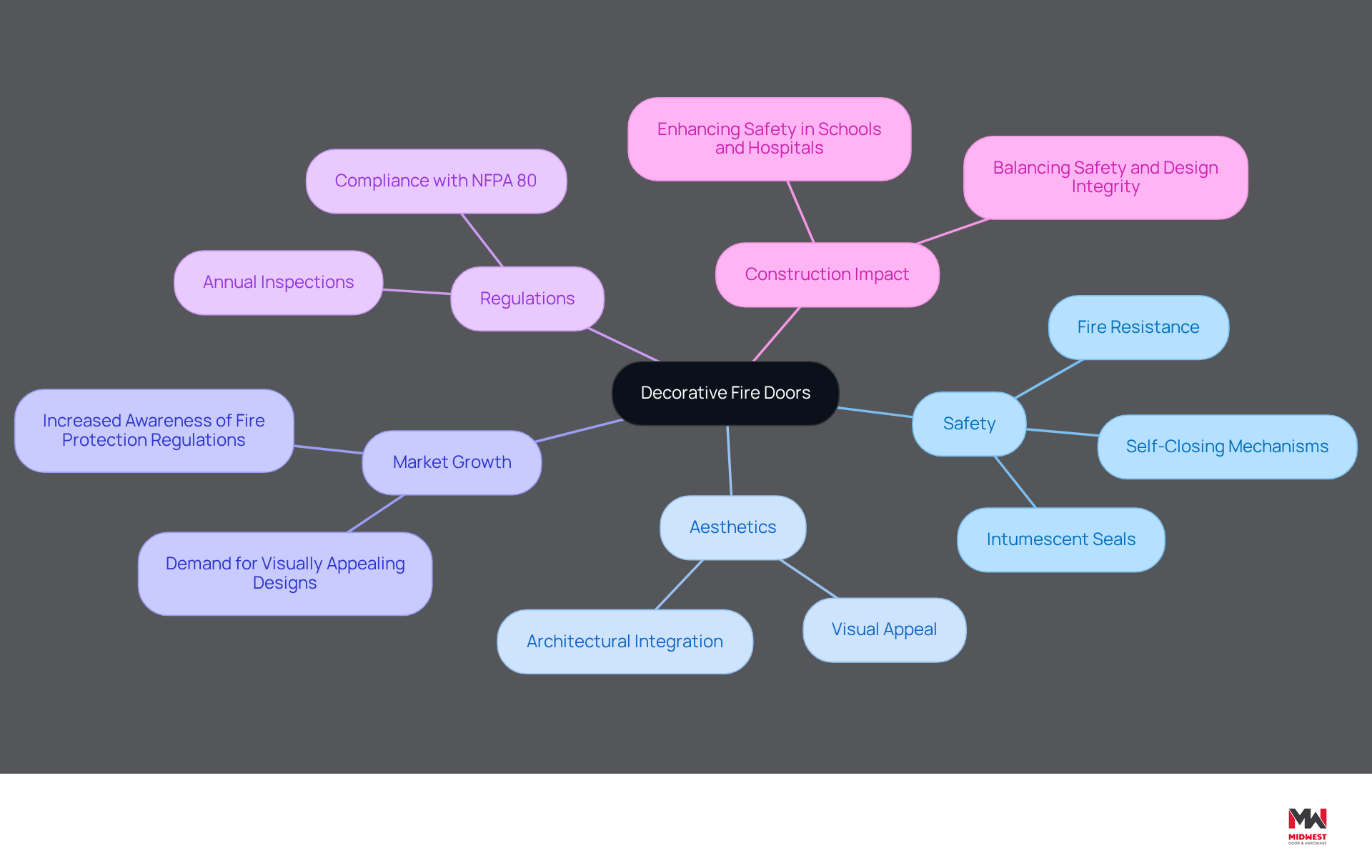
Balancing safety and aesthetics in ornamental barriers is crucial for modern construction projects. These barriers provide essential fire resistance while enhancing the visual appeal of structures, particularly in environments such as schools and hospitals, where safety and design integrity are critical. Constructed from materials that withstand high temperatures, these barriers feature self-closing mechanisms and intumescent seals that expand under heat, effectively preventing the spread of flames and smoke. Ornamental safety barriers assist builders in meeting stringent construction regulations while improving the aesthetic quality of their projects. For example, in medical facilities, ornamental emergency exits can significantly enhance interior aesthetics without compromising security, making them a preferred choice in contemporary architecture.
The market for decorative fire doors is experiencing significant growth, driven by increased awareness of fire protection regulations and the demand for visually appealing designs. These decorative fire doors not only serve as protective elements but also contribute to the overall character of a building, seamlessly integrating with various architectural styles. Therefore, understanding the balance between security and aesthetics is essential for professionals in the construction sector, ensuring they can deliver both compliance and beauty in their projects. Regular inspections and adherence to standards such as NFPA 80 are vital to maintaining the integrity and functionality of these fire-rated assemblies, underscoring their importance in modern construction. Ultimately, ensuring compliance while enhancing visual appeal is vital for the success of any construction project involving fire-rated assemblies.
Select Fire Doors Based on Safety Standards and Aesthetics
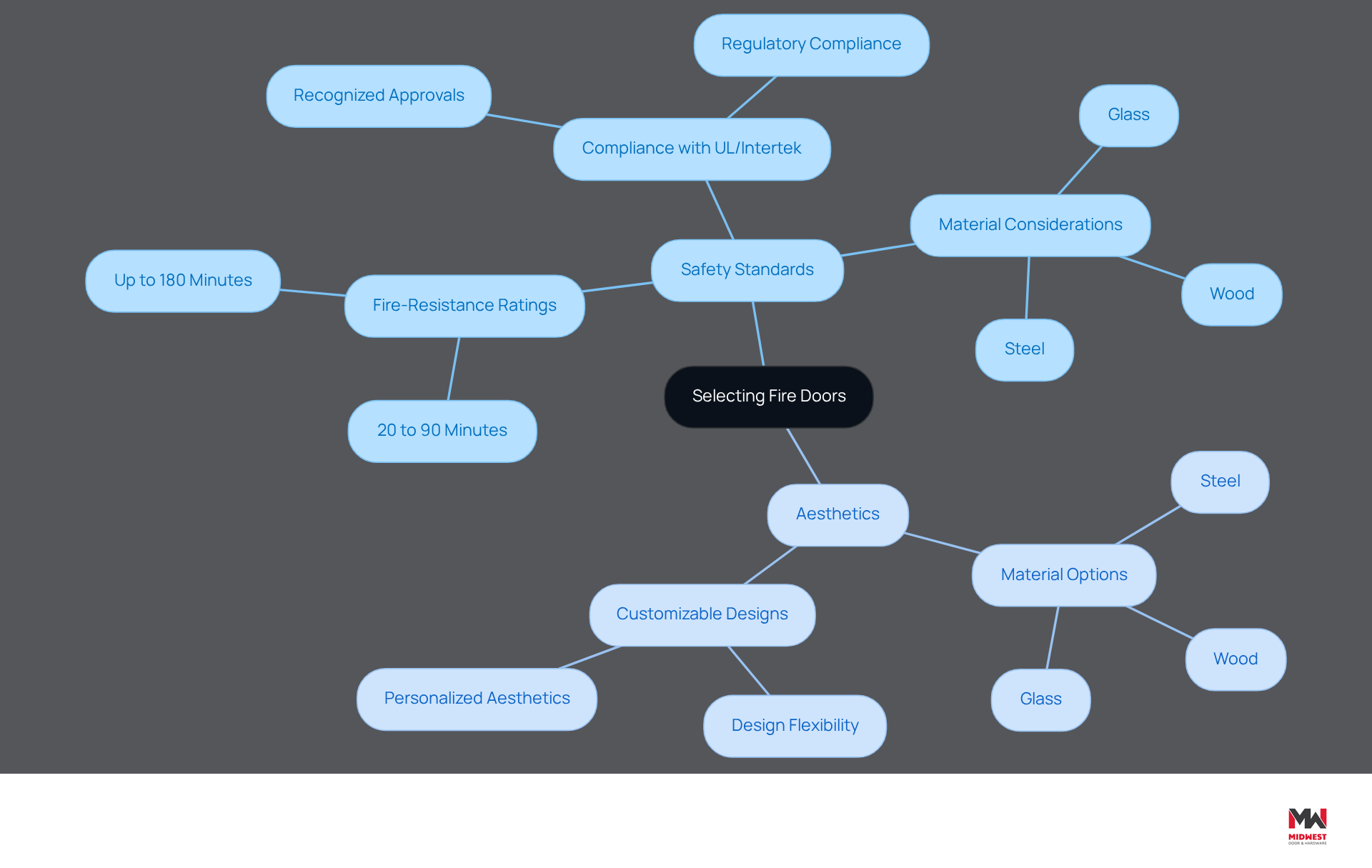
Balancing security regulations with visual appeal is crucial when selecting decorative fire doors as ornamental fire-resistant barriers. Fire barriers must meet specific fire-resistance ratings, typically ranging from 20 to 90 minutes, depending on their intended use and the building's specifications. It is important to choose entrances approved by recognized entities like Underwriters Laboratories (UL) or Intertek to ensure compliance with safety regulations.
The materials used in the construction of decorative fire doors also play a significant role; options such as steel, wood, or glass offer different aesthetic qualities while ensuring security. For example, glass fire doors can improve visibility and light in corridors while still providing essential fire protection.
Collaborating with manufacturers offering decorative fire doors with customizable designs allows contractors to achieve the desired aesthetic while maintaining security standards. By prioritizing these factors, contractors can ensure compliance with regulations and meet client preferences, enhancing both security and style in their projects.
Implement Proper Installation Techniques for Fire Doors
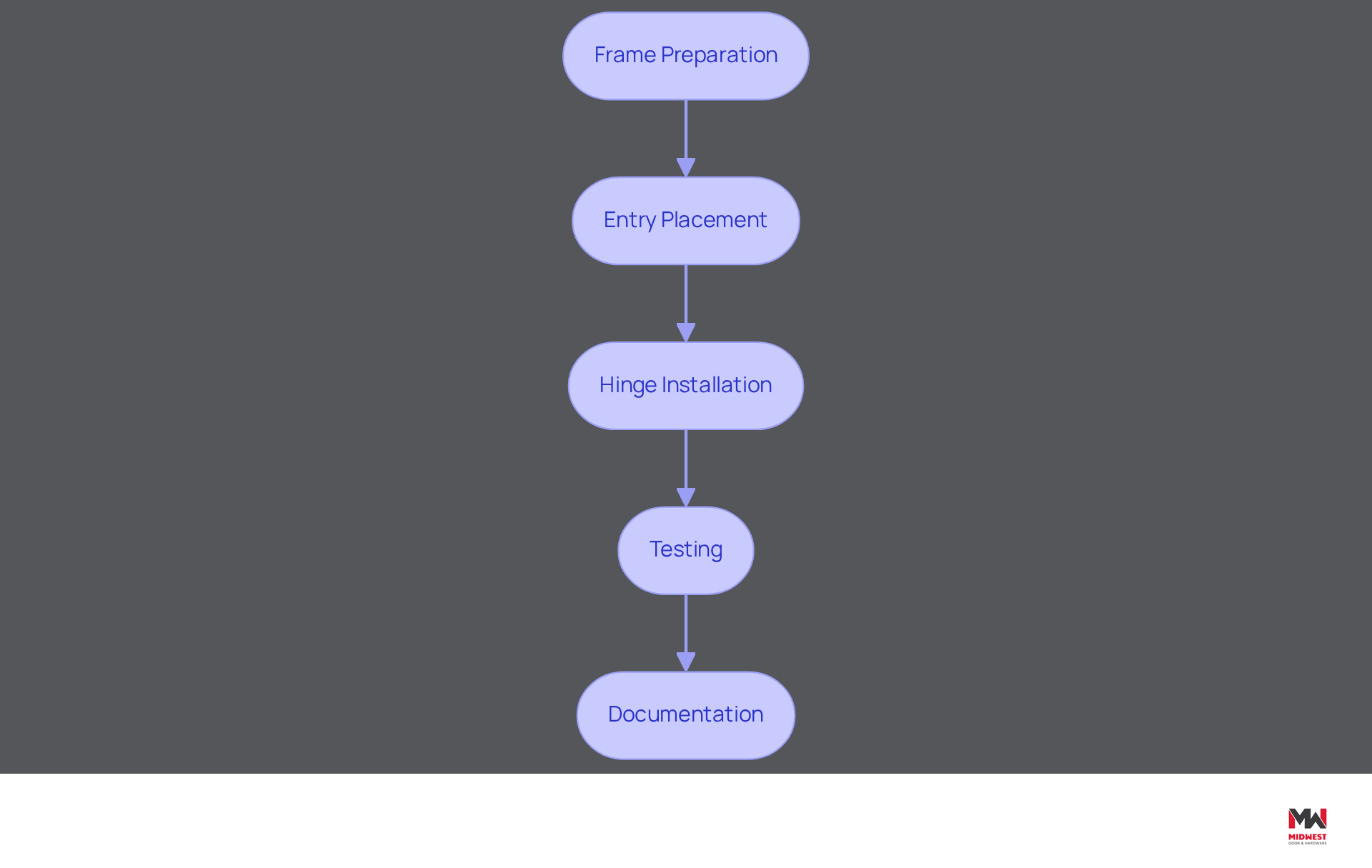
To ensure the effectiveness of ornamental fire barriers, proper installation is non-negotiable. Start by confirming that the entryway and frame are compatible and meet the necessary fire-resistance rating. The installation process should include the following steps:
- Frame Preparation: Ensure the frame is square, plumb, and securely anchored to the wall. Use fire-rated packers and sealants to fill any gaps, as improper framing can lead to significant safety risks.
- Entry Placement: Position the entryway within the frame, ensuring that it swings freely without obstruction. Maintain the recommended gap of approximately 3mm on the sides and top, and 5mm at the bottom to prevent smoke and fire spread.
- Hinge Installation: Install at least three fire-rated hinges for standard entryways, ensuring they are properly aligned to support the weight and functionality of the panel.
- Testing: After installation, check the entry to ensure it closes fully and latches securely. Routine evaluations, required yearly according to NFPA 80, should be arranged to confirm that the entry remains compliant with emergency regulations.
By following these steps, contractors can ensure that decorative barriers are installed correctly, providing both safety and aesthetic value. It is crucial to record all installation procedures and keep documentation for ongoing compliance, as 60% of safety barriers need remediation due to installation errors. Working with certified installers from Midwest Door & Hardware, who are well-trained and follow best practices, enhances security and compliance, ensuring that buildings are sufficiently safeguarded against combustion risks. Additionally, Midwest Door & Hardware offers comprehensive installation support, including pre-installation services, field assistance, and ongoing maintenance, as well as access to our unique in-house fabrication shop, to help contractors close out projects with confidence.
Maintain and Inspect Fire Doors for Long-Term Compliance
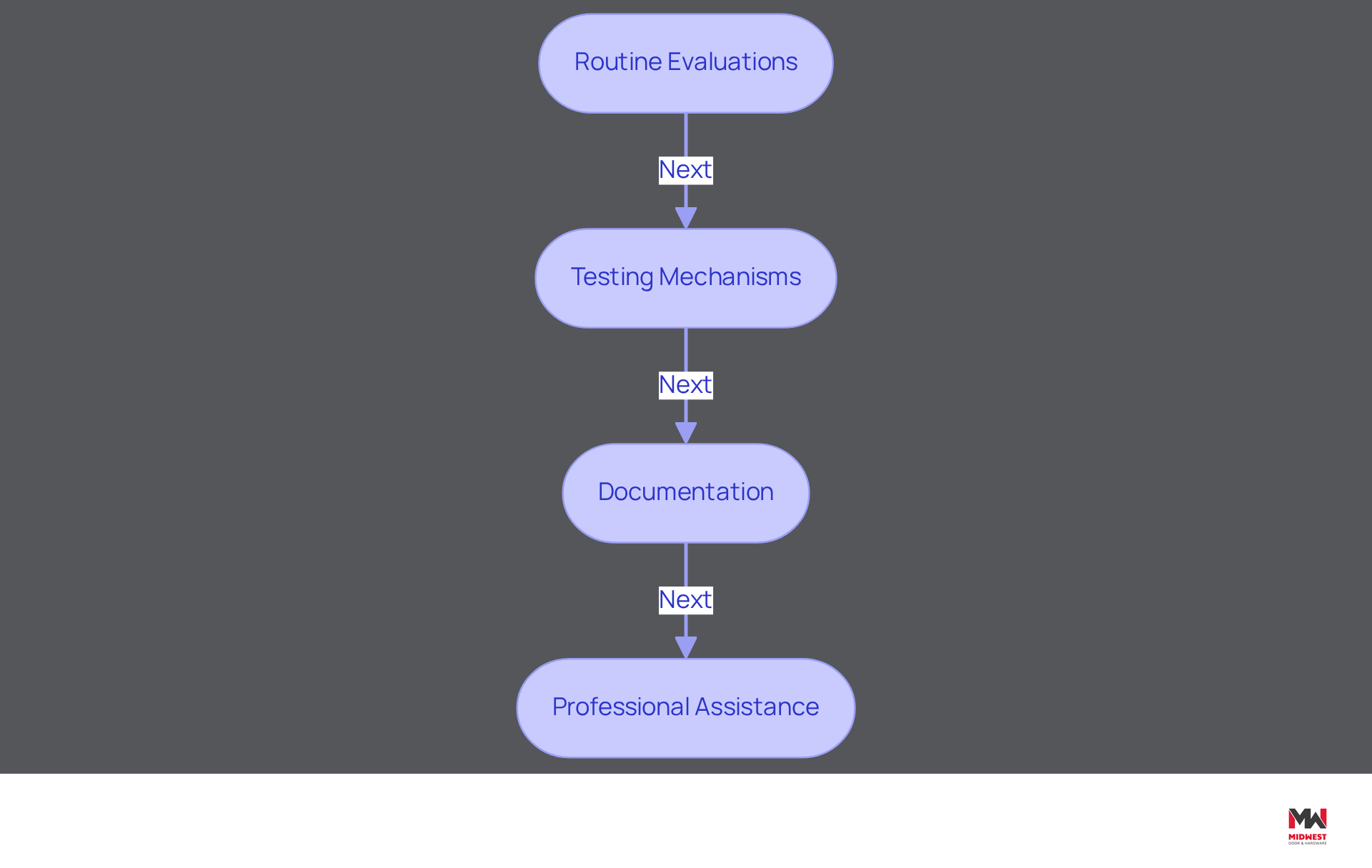
Regular maintenance and assessment of fire doors are essential for ensuring safety and compliance with industry standards. Implementing the following best practices can significantly enhance the effectiveness of fire door maintenance:
- Routine Evaluations: Perform assessments at least once a year, looking for indications of damage, misalignment, or wear. Pay close attention to openings around the entrance that exceed allowable limits, as these can compromise resistance to flames. NFPA 80 requires that all flame protection assemblies undergo yearly inspections to confirm their operational integrity. Additionally, door-to-frame clearance at the lock side, hinge side, and head must not exceed 1/8 inch to ensure compliance.
- Testing Mechanisms: Ensure that self-closing devices and latches function properly. Fire barriers must close completely and latch firmly to be effective in preventing the spread of fire and smoke. Regular testing of these mechanisms is crucial for compliance with safety standards, including verifying that self-closing tests confirm the door closes fully and latches without assistance.
- Documentation: Keep thorough records of evaluations and maintenance activities, including any repairs conducted. This documentation is essential for adherence to NFPA 80 standards, which mandate the retention of examination records for a minimum of three years. Proper documentation helps manage liabilities and ensures that all components are verified as fire-rated. It is also important to document all clearance measurements and test results.
- Professional Assistance: It's wise to hire certified professionals for evaluations and maintenance to make sure everything meets the necessary regulations. Third-party inspections of safety barriers usually range from $50 to $150 each, while hourly fees for these evaluations vary from $100 to $200. Employing skilled inspectors can assist in recognizing problems that might not be visible during standard evaluations, guaranteeing that safety barriers stay compliant and operational.
By establishing a proactive maintenance strategy, contractors can ensure that fire doors remain effective and visually appealing over time. Regular inspections and adherence to NFPA 80 compliance not only enhance safety but also contribute to the overall integrity of fire protection systems in commercial settings. Ultimately, consistent maintenance not only safeguards lives but also protects the integrity of commercial properties.
Conclusion
Balancing safety and aesthetics in decorative fire doors is a complex challenge that construction professionals must navigate. These barriers provide vital fire resistance while also improving the visual appeal of spaces like schools and hospitals. Recognizing the need for compliance with safety standards and the aesthetic qualities of these doors allows construction professionals to ensure their projects meet both regulatory requirements and client expectations.
Throughout the article, key practices for selecting, installing, and maintaining decorative fire doors have been highlighted. Focusing on proper installation, adhering to safety standards, and keeping up with regular maintenance checks is key to ensuring these fire-rated assemblies perform effectively. Collaborating with trusted manufacturers and utilizing services from Midwest Door & Hardware, including their unique in-house fabrication shop, can further enhance the quality and compliance of fire doors in any project.
Ultimately, the significance of decorative fire doors extends beyond mere compliance; they play a crucial role in safeguarding lives and properties while contributing to the overall aesthetic of a building. By prioritizing best practices in selection, installation, and maintenance, contractors can create safe, compliant, and visually appealing environments that stand the test of time. By integrating these principles, contractors not only comply with regulations but also enhance the safety and design integrity of their projects.
Frequently Asked Questions
What are decorative fire doors?
Decorative fire doors are ornamental barriers that provide fire resistance while enhancing the visual appeal of structures, particularly in environments like schools and hospitals.
Why are decorative fire doors important in construction?
They balance safety and aesthetics, helping builders meet stringent construction regulations while improving the aesthetic quality of their projects.
What features do decorative fire doors have?
They are constructed from materials that withstand high temperatures and include self-closing mechanisms and intumescent seals that expand under heat to prevent the spread of flames and smoke.
How do decorative fire doors contribute to building design?
They serve as protective elements that also enhance the overall character of a building, integrating seamlessly with various architectural styles.
What is driving the growth of the decorative fire door market?
The growth is driven by increased awareness of fire protection regulations and the demand for visually appealing designs.
What standards should be followed to maintain decorative fire doors?
Regular inspections and adherence to standards such as NFPA 80 are vital to maintaining the integrity and functionality of these fire-rated assemblies.
How do decorative fire doors enhance safety in specific environments?
In medical facilities, for example, ornamental emergency exits can enhance interior aesthetics without compromising security, making them a preferred choice in contemporary architecture.
What is the significance of balancing security and aesthetics in construction?
Understanding this balance is essential for construction professionals to ensure compliance with safety regulations while delivering visually appealing projects.
List of Sources
- Understand Decorative Fire Doors and Their Importance
- Modern Fire-Rated Glass Doors: Where Safety Meets Architecture (https://linkedin.com/pulse/modern-fire-rated-glass-doors-where-safety-jaxcf)
- Fire Doors: Locations, Types, and Inspection Guidelines for Buildings - CCPIA (https://ccpia.org/fire-doors-locations-types-and-inspection-guidelines-for-buildings)
- 5 Key Reasons Fire Doors Are Essential in Commercial Buildings (https://ahhargreaves.com/top-5-reasons-why-fire-doors-are-essential-in-commercial-buildings)
- Article - Critical Access Hospitals: Understanding Fire Door Requirements (https://achc.org/critical-access-hospitals-understanding-fire-door-requirements)
- The Importance of Fire Compartmentation in Hospitals | Fire Doors (https://dortek.com/the-importance-of-fire-compartmentation-in-hospitals)
- Select Fire Doors Based on Safety Standards and Aesthetics
- Customizing Fire-Rated Doors: Style Options Without Compromising Safety (https://smithanddeshields.com/customizing-fire-rated-doors-style-options-without-compromising-safety)
- Building and Designing with Fire-Rated Glass Doors | FAQs (https://fireglass.com/resources/fire-rated-door-faq/fire-door-aesthetics)
- Fire Door Safety Week 2024: Industry Experts Share Key Insights on Fire Door Compliance and Safety - IFSJ (https://internationalfireandsafetyjournal.com/fire-door-safety-week-2024-industry-experts-share-key-insights-on-fire-door-compliance-and-safety)
- zhfiredoor.com (https://zhfiredoor.com/Industry-News)
- Fire Door Market Size, Share Forecast (2025–2034) (https://gminsights.com/industry-analysis/fire-door-market)
- Implement Proper Installation Techniques for Fire Doors
- Fire Door Installation Best Practices for Enhanced Building Safety - Alpha Fire Protection (https://alphafireprotectionltd.co.uk/fire-door-installation-a-critical-step-in-fire-safety)
- Get fire doors installed - by a professional! (https://cws.com/en/fire-safety/news/get-fire-doors-installed-professional)
- Fire Door Installation Guide: Expert Tips For 2026 | UK Wide Coverage | Logic Fire & Security (https://logicfireandsecurity.com/news/fire-door-installation)
- Maintain and Inspect Fire Doors for Long-Term Compliance
- Fire Door Inspection Checklist and Report | Appenate (https://formsonfire.com/blog/fire-door-inspection-checklist-report)
- The Importance of Fire Door Inspections: A Comprehensive Guide (https://qualitydoor.com/blogs/guide/fire-door-inspection?srsltid=AfmBOoq-fs3yfPFbqUIm-uhC_34HpdH78oHSYNUk5j8yKjkHrtlQbWIC)
- Fire Door Installation Checklist — NFPA 80 Compliance | CDF Distributors (https://cdfdistributors.com/blog/post/fire-door-installation-checklist)
- Enforcement of Fire Door Inspections (https://idighardware.com/2025/09/enforcement-of-fire-door-inspections)
Related News
Check out more of what we’ve worked on.