
Introduction
Choosing the right toilet dividers is essential for ensuring functionality and compliance in various environments across Nebraska. For contractors working in bustling schools in Lincoln or community centers in Grand Island, understanding best practices for installation can significantly enhance user experience and ensure longevity.
With so many materials and building codes to think about, how can contractors tackle these challenges while addressing their project's specific needs?
Evaluate Material Options for Toilet Dividers
Selecting the appropriate materials for toilet dividers is essential for ensuring functionality and user satisfaction. Contractors should consider several options, including:
- Powder-Coated Steel: This material is popular due to its durability and cost-effectiveness. It offers a variety of colors and finishes, making it suitable for different design aesthetics. However, it may not be ideal for high-moisture environments.
- Solid Plastic (HDPE): Known for its resistance to moisture and vandalism, solid plastic is an excellent choice for high-traffic areas. It is easy to clean and maintain, making it a practical option for public restrooms.
- Phenolic Core: This material is highly durable and resistant to moisture, making it suitable for various environments. It also offers a sleek appearance, which can enhance the restroom's overall design.
- Stainless Steel: While more expensive, stainless steel provides a modern look and is highly resistant to corrosion and damage. It's a great choice for upscale facilities or places where appearance matters.
Contractors need to carefully evaluate each material's benefits and drawbacks. They should consider cost, maintenance, and the specific needs of the facility. For example, a school may benefit from toilet dividers made of solid plastic due to their durability and ease of cleaning, while a high-end office building might opt for stainless steel toilet dividers for their aesthetic appeal.
Furthermore, the commercial toilet divider market is anticipated to expand considerably, attaining an estimated worth of $2.08 billion by 2026, fueled by heightened demand for durable materials and renovation initiatives. By aligning material choices with facility needs, contractors can enhance both the longevity and user experience of restroom spaces.

Ensure Compliance with Building Codes and Standards
Builders face the challenge of navigating various local building codes and regulations regarding toilet dividers, making compliance essential for project success. Midwest Door & Hardware (MDH) supports small and midsize contractors by providing the necessary expertise and resources to navigate these complexities effectively.
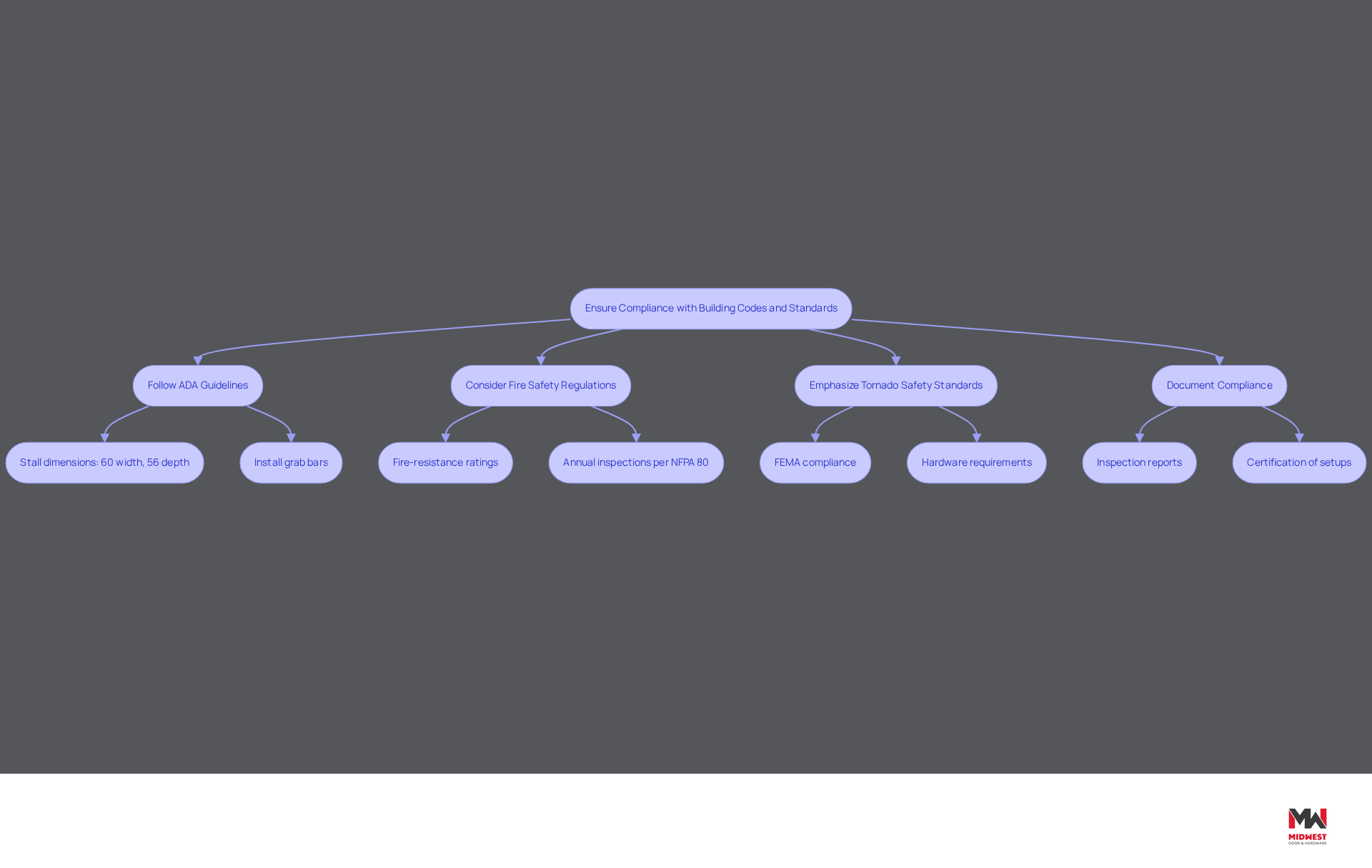
Following ADA guidelines is crucial; the Americans with Disabilities Act mandates that at least one stall in a public restroom must be accessible. This requires specific stall dimensions and the installation of grab bars. Ensure that the accessible stall meets the minimum width of 60 inches and depth of 56 inches, with a floor clearance of at least 9 inches and a maximum of 12 inches beneath the toilet dividers for wheelchair accessibility.
Consider fire safety regulations as well. Depending on the material used, certain fire safety standards may apply. For instance, partitions in high-rise buildings may need to meet specific fire-resistance ratings. Additionally, builders must ensure that fire-rated door assemblies undergo annual inspection and testing per NFPA 80, with documented maintenance programs to maintain compliance. You can count on MDH's quality to help you meet these stringent requirements.
Emphasizing tornado safety standards is also critical, especially in Nebraska's tornado-prone areas. Compliance with FEMA, ICC 500, and local building codes for tornado-rated doors is crucial. Ensure that all tornado-rated shelter door hardware is listed and compliant with interior egress requirements; non-listed hardware is unacceptable. MDH offers durable, code-compliant solutions that assist builders in meeting these safety standards.
Finally, documenting compliance is vital. Maintain documentation of adherence to building codes, including inspection reports and certification of setups. This documentation can be crucial for future inspections or audits. By prioritizing compliance and utilizing the expertise of Midwest Door & Hardware, builders can avoid costly setbacks and ensure their projects meet all necessary safety standards.
Implement Effective Installation Techniques for Durability
To achieve optimal durability and installation of toilet dividers, contractors must adopt effective techniques that address common challenges:
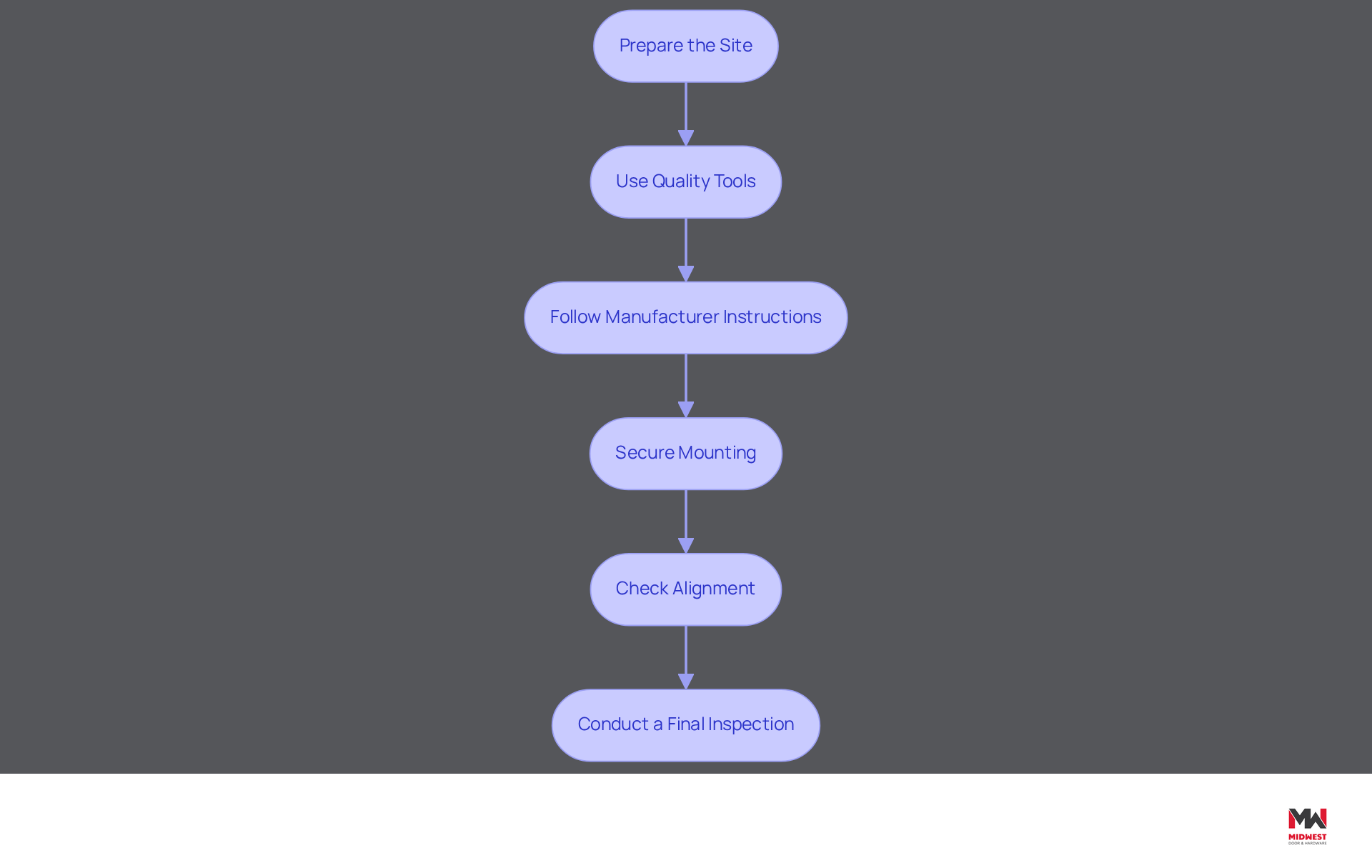
- Prepare the Site: Begin by ensuring the installation area is clean and free of debris. Precise measurements are crucial to establish the appropriate positioning of the dividers, as proper site preparation can significantly reduce setup issues, leading to higher client satisfaction.
- Use Quality Tools: Invest in high-quality tools such as levels, drills, and measuring tapes. Using the appropriate tools enables a smoother setup process and reduces the chances of mistakes.
- Follow Manufacturer Instructions: Each partition system comes with specific installation guidelines from the manufacturer. Adhering to these instructions is crucial for ensuring a proper fit and function, which can prevent future complications. Using the online design tool from One Part Partitions can streamline the planning process and ensure a better fit for your layout.
- Secure Mounting: Ensure that all brackets and anchors are securely fastened to the floor and walls. This step is essential for preventing movement and ensuring the stability of the partitions over time, contributing to their overall durability.
- Check Alignment: After installing the panels, double-check their alignment and make adjustments as necessary. Proper alignment is crucial for both aesthetics and functionality, ensuring that the partitions operate as intended.
- Conduct a Final Inspection: Once the setup is complete, perform a thorough inspection to confirm that all components are securely fastened and functioning correctly. Address any issues before considering the project complete, as this final check can enhance client satisfaction. Regular checks on cubicle hardware, such as locks, handles, and hinges, are also important, and having a supply of replacement hardware on site is recommended.
Implementing these techniques helps ensure that toilet dividers are durable and function as intended, leading to successful installations. Additionally, starting off with the right partition layout is crucial to avoiding issues, as emphasized by One Part Partitions.
Establish Maintenance Protocols for Longevity
To maintain the longevity and functionality of toilet dividers, contractors must implement comprehensive maintenance protocols that address key areas of upkeep:
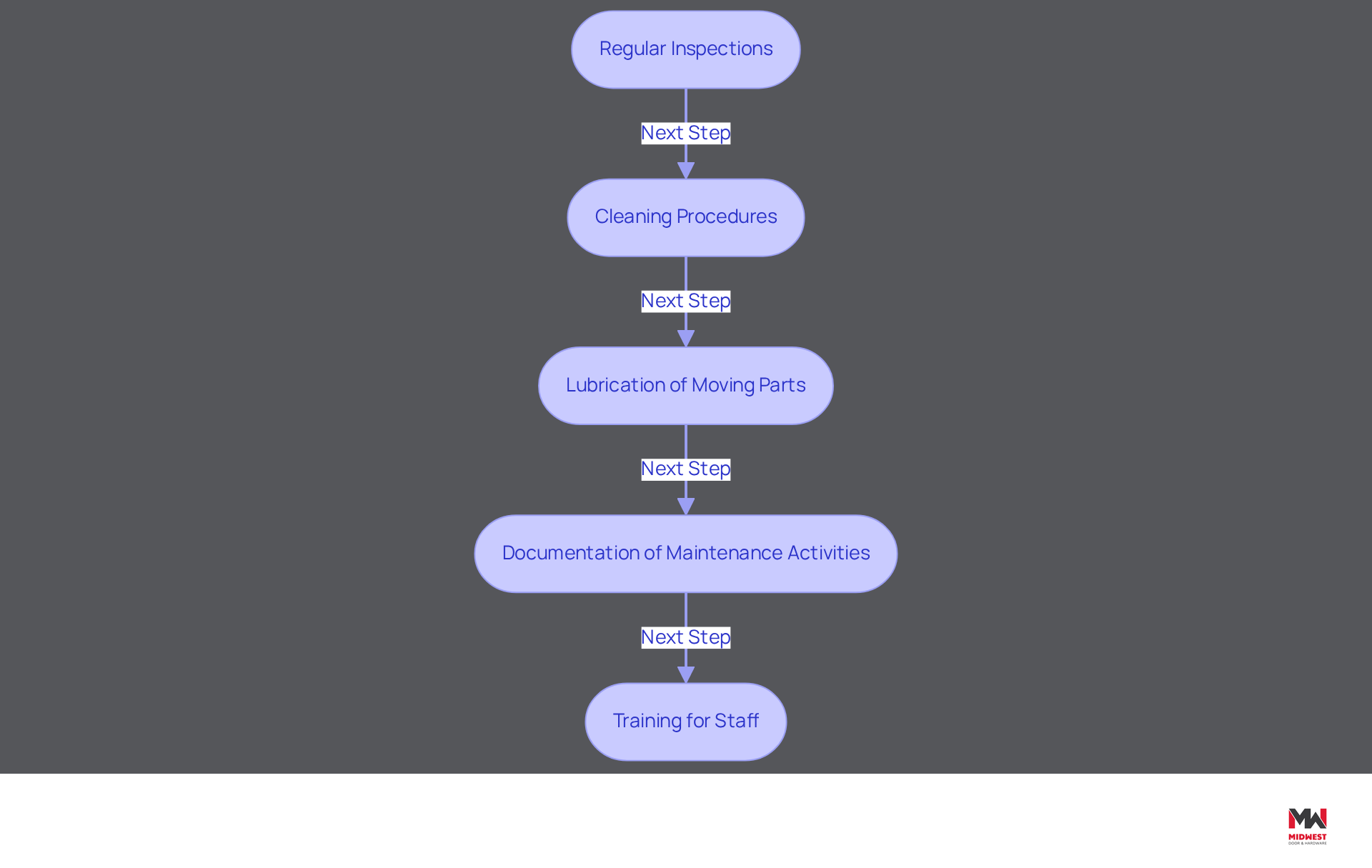
- Regular Inspections: Regular inspections are essential for identifying signs of wear and tear, such as loose hardware, scratches, or dents. Addressing minor issues promptly can prevent more significant problems down the line. Inspections should also include checking for compliance with NFPA 80 for fire-rated door assemblies and ensuring that all components meet ICC 500 standards for tornado-rated doors.
- Cleaning Procedures: Establish a cleaning schedule that specifies appropriate solutions for the materials used in the maintenance of toilet dividers. For instance, stainless steel dividers should be cleaned with a mild detergent and a soft cloth to avoid scratches. Daily cleaning routines are essential for preserving the appearance and functionality of toilet dividers, which contributes to a positive restroom experience. Additionally, disinfecting the doors with an approved cleaner is vital to prevent the spread of germs and bacteria.
- Lubrication of Moving Parts: Regular lubrication of moving parts, such as hinges and locks, is crucial for maintaining functionality and preventing rust or corrosion. Using silicone-based or Teflon-based lubricants minimizes friction and prolongs the lifespan of these components.
- Documentation of Maintenance Activities: Documenting all maintenance activities, including inspections, cleaning, and repairs, is vital for compliance and future reference. This documentation helps maintain compliance with relevant regulations, including annual inspections and testing of fire-rated door assemblies per NFPA 80.
- Training for Staff: Training maintenance personnel on the proper care and upkeep of toilet dividers is essential for effective facility management. This ensures they are equipped to handle minor repairs and maintenance tasks effectively, enhancing the overall upkeep of restroom facilities.
By prioritizing these maintenance protocols, contractors not only enhance user experience but also safeguard their investment in restroom facilities. Regular upkeep not only maintains the aesthetic quality of the dividers but also avoids expensive repairs and prolongs their functional lifespan. Furthermore, understanding the specific materials of toilet partitions is crucial for effective maintenance planning, ensuring longevity and functionality.
Conclusion
Choosing the right materials and installation techniques for toilet dividers is essential for ensuring compliance and functionality in Nebraska facilities. Contractors can choose from various materials, including:
- Powder-coated steel
- Solid plastic
- Phenolic core
- Stainless steel
to meet the specific needs of these facilities. Adhering to building codes and safety standards, especially in tornado-prone areas, is crucial for successful project execution.
Key insights from this guide highlight the importance of effective installation techniques, such as:
- Thorough site preparation
- Using quality tools
- Following manufacturer instructions
Regular maintenance protocols, including inspections and cleaning, further enhance the longevity and functionality of toilet dividers. Focusing on these best practices helps contractors create restroom facilities that are both functional and safe for users.
Ultimately, the commitment to quality installation and maintenance of toilet dividers reflects a contractor's dedication to service and safety. By leveraging the expertise and resources available through Midwest Door & Hardware, contractors can navigate the complexities of compliance and installation with confidence. This commitment not only enhances restroom quality but also solidifies a contractor's reputation for reliability and safety.
Frequently Asked Questions
What are the main material options for toilet dividers?
The main material options for toilet dividers include powder-coated steel, solid plastic (HDPE), phenolic core, and stainless steel.
What are the advantages of using powder-coated steel for toilet dividers?
Powder-coated steel is durable, cost-effective, and available in various colors and finishes, making it suitable for different design aesthetics. However, it may not be ideal for high-moisture environments.
Why is solid plastic (HDPE) a good choice for toilet dividers in high-traffic areas?
Solid plastic (HDPE) is resistant to moisture and vandalism, easy to clean and maintain, making it an excellent option for high-traffic public restrooms.
What are the benefits of using phenolic core material for toilet dividers?
Phenolic core material is highly durable, resistant to moisture, and offers a sleek appearance, enhancing the overall design of the restroom.
What makes stainless steel a suitable option for toilet dividers in upscale facilities?
Stainless steel provides a modern look, is highly resistant to corrosion and damage, and is ideal for upscale facilities or places where appearance is important, although it is more expensive.
What factors should contractors consider when selecting materials for toilet dividers?
Contractors should evaluate the benefits and drawbacks of each material, considering factors such as cost, maintenance, and the specific needs of the facility.
How is the commercial toilet divider market expected to change in the coming years?
The commercial toilet divider market is anticipated to expand significantly, reaching an estimated worth of $2.08 billion by 2026, driven by increased demand for durable materials and renovation initiatives.
List of Sources
- Evaluate Material Options for Toilet Dividers
- Why Should I Choose Powder Coated Toilet Partitions Over Stainless Steel? (https://partitionking.com/why-should-i-choose-powder-coated-toilet-partitions-over-stainless-steel)
- Modernizing Your Facilities: New Trends in Commercial Washroom Stalls and Partitions - Boreal Architectural (https://borealarchitectural.com/blog/modernizing-your-facilities-new-trends-in-commercial-washroom-stalls-and-partitions)
- Commercial Toilet Partitions Market Outlook 2026-2030 & 2035: Set to Reach $2.68 Billion by 2030 Led by Bradley Corporation, Inpro Corporation, and Bobrick Washroom Equipment (https://uk.finance.yahoo.com/news/commercial-toilet-partitions-market-outlook-143100764.html)
- Top 2024 Commercial Restroom Design Trends: Wellness, Sustainability, and Technology | Sloan (https://sloan.com/company/newsroom/blog/top-2024-commercial-restroom-design-trends-wellness-sustainability-and)
- New Trends in Commercial Restroom Design (https://scrantonproducts.com/new-trends-commercial-restroom-design)
- Ensure Compliance with Building Codes and Standards
- What are the installation codes for restroom stalls? | MeltPlan (https://meltplan.com/blogs/what-are-the-installation-codes-for-restroom-stalls)
- ADA Bathroom Stall Requirements: Complete 2026 Guide | 10-SPEC (https://10-spec.com/ada-bathroom-partition-requirements)
- 2026 Building Code Updates for Contractors (https://projul.com/blog/construction-building-codes-2026-guide)
- Ensuring Equitable Mobility: Changing Facilities Now Required by Law in Public Buildings Across Maryland - Arium AE (https://ariumae.com/news/ensuring-equitable-mobility-changing-facilities-now-required-by-law-in-public-buildings-across-maryland)
- Compliance with the ADA: Your company’s restrooms | Karlin Law Firm LLP (https://karlinlaw.com/blog/2024/08/compliance-with-the-ada-your-companys-restrooms)
- Implement Effective Installation Techniques for Durability
- Toilet Partition Installation Issues - One Point Partitions (https://onepointpartitions.com/blog/2019/05/15/common-installation-issues?srsltid=AfmBOooL-9wyLq2UM1jxHFB6VJfxQW4R6AEMfpWx3tMstCgLYlanjiEs)
- Keep Toilet Partitions Durable with These Trusted Tips - Granite State Specialties (https://granitestatespecialties.com/keep-toilet-partitions-durable-with-these-trusted-tips)
- Installing Toilet Partitions: Key Questions to Consider (https://fastpartitions.com/9-important-questions-to-ask-before-installing-toilet-partitions?srsltid=AfmBOoqkcoLYI0NJXwlOVa3zJ3TGIDOmY2eUMEMvDpgp-NDZ2euhBCQT)
- 10 Ways To Improve Durability For Toilet Partitions (https://jialifucn.com/10-ways-to-improve-durability-for-toilet-partitions)
- Establish Maintenance Protocols for Longevity
- How to Maintain Commercial Bathroom Partition Doors (https://onepointpartitions.com/blog/2023/11/30/commercial-bathroom-partition-doors-maintenance?srsltid=AfmBOorf7Ix_hDpgqFiDpacTFVA-5J841FfDaF8L1jAgbPRNvwt7IdUO)
- Maintaining Your Bathroom Partitions: Tips for Optimal Performance (https://fastpartitions.com/maintaining-your-commercial-bathroom-partition-doors-for-optimal-performance-and-longevity?srsltid=AfmBOooquvpIgA4pe5oY8CJ1nlOyCV17EcWbktfPetzBFVmHhoPrRARz)
- The Impact of Toilet Partitions on Hygiene and Cleanliness in Public Restrooms - CUBISPEC (https://cubispec.com.au/blogs/the-impact-of-toilet-partitions-on-hygiene-and-cleanliness-in-public-restrooms)
- Toilet Partition Maintenance Tips - Holman, Inc. (https://holman-inc.com/toilet-partition-maintenance-tips)
Related News
Check out more of what we’ve worked on.