

Introduction
Selecting the right sliding door closers is crucial for ensuring safety and functionality, particularly in tornado-prone areas like Nebraska. Understanding the different types of closers and their specific applications is essential for contractors aiming to enhance operational efficiency and compliance with safety standards.
With numerous options and installation techniques, making the right choice can be challenging. This article outlines best practices for selecting and installing sliding door closers, helping contractors avoid common pitfalls and achieve optimal performance.
Understand Types and Functions of Sliding Door Closers
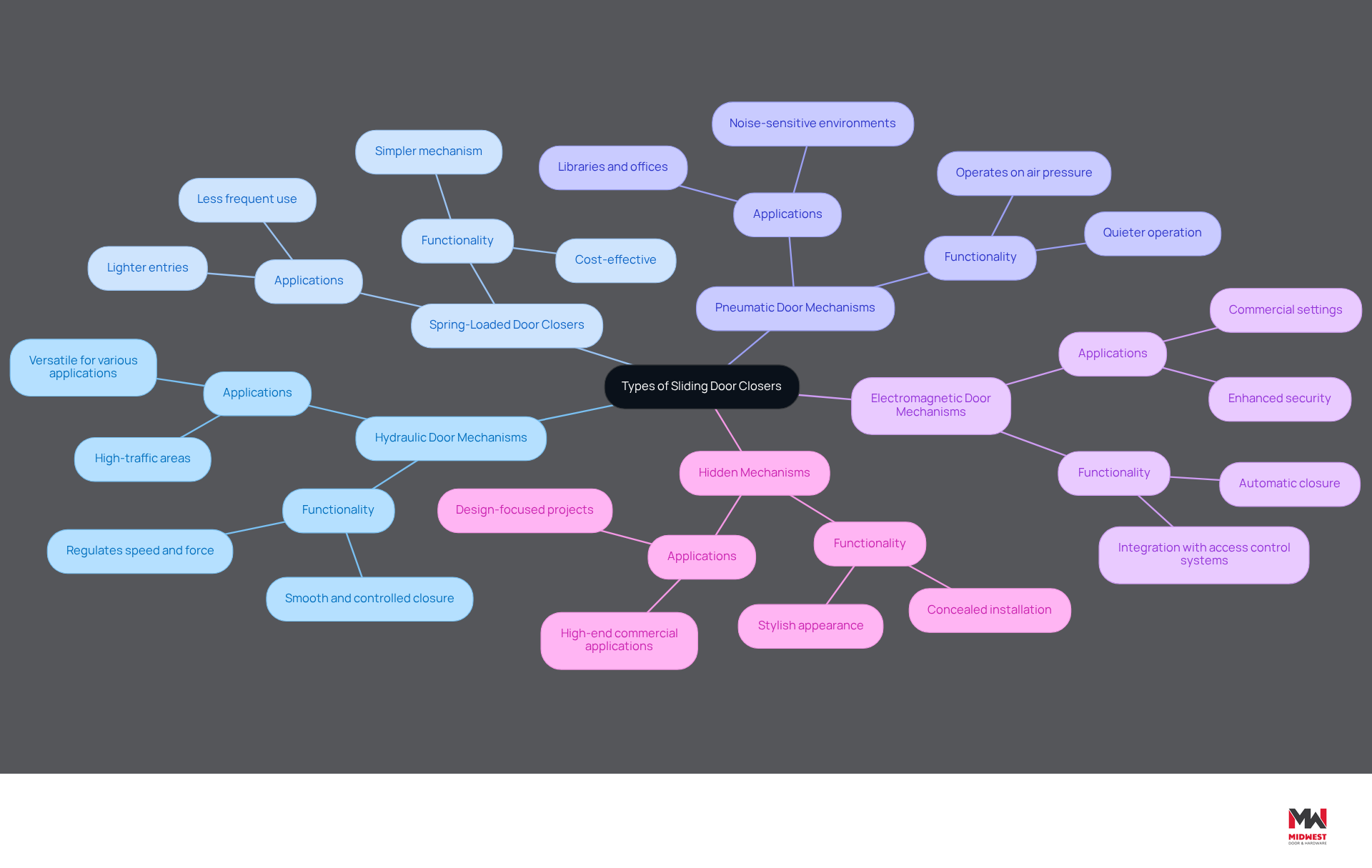
Choosing the right sliding door closer can be challenging, yet it is vital for the seamless operation of entrances in diverse settings. Each type of device is designed for specific applications, offering unique functionalities that cater to different needs. The most common types include:
- Hydraulic Door Mechanisms: Utilizing hydraulic fluid, these devices regulate the speed and force of the entrance's closing action, ensuring a smooth and controlled closure. They are particularly suited for high-traffic areas and can be adjusted for both speed and force, making them versatile for various applications.
- Spring-Loaded Door Closers: These employ a spring mechanism, making them simpler and generally more cost-effective. They are perfect for lighter entries and scenarios where the entry is utilized less often.
- Pneumatic Door Mechanisms: Functioning on air pressure, pneumatic devices offer quieter operation, making them ideal for settings where noise reduction is essential, such as libraries or offices.
- Electromagnetic Door Mechanisms: Created for automatic entrances, these devices can be incorporated with access control systems, guaranteeing that entrances shut automatically after being opened. This feature enhances both security and convenience in commercial settings.
- Hidden Mechanisms: Installed within the frame, concealed mechanisms provide a stylish appearance while preserving functionality. They are often preferred in high-end commercial applications where design is a priority.
Understanding these categories helps contractors select the right sliding door closer mechanism based on weight, traffic frequency, and specific operational needs. Additionally, it is crucial to ensure that all installations comply with relevant safety standards, including adherence to ICC 500 for tornado-rated entries and NFPA 80 for fire-rated assemblies. Neglecting to understand these mechanisms and their compliance requirements can lead to safety hazards and operational inefficiencies.
Evaluate Selection Criteria for Sliding Door Closers
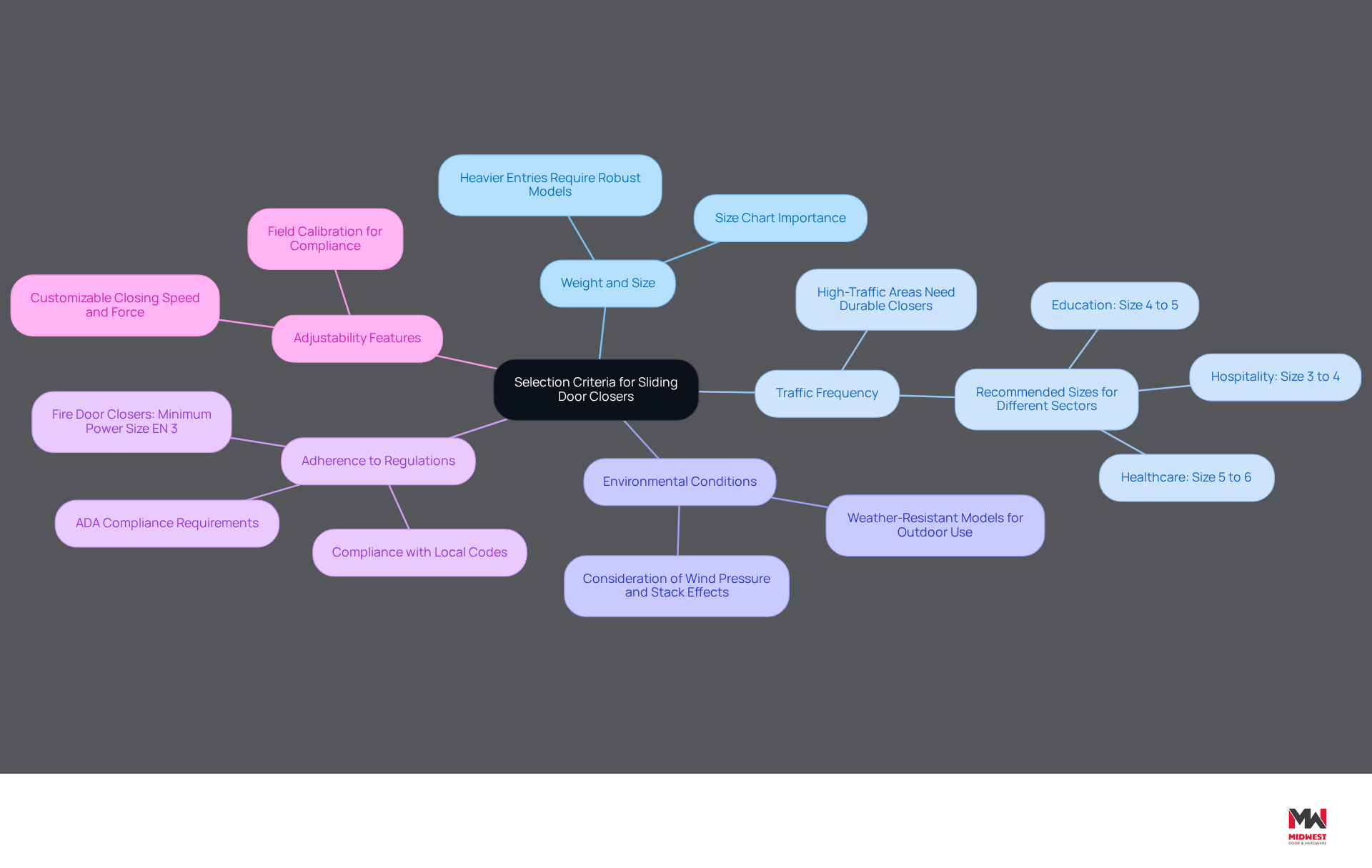
Choosing the appropriate sliding door closer is crucial for guaranteeing optimal performance and compliance in commercial applications. Several critical criteria must be evaluated to achieve this goal:
- Weight and Size of the Entry: The mechanism must be rated for the specific weight and dimensions of the entry. A size chart for closing mechanisms is crucial for aligning the specifications of the entry with the suitable device, as heavier entries necessitate more robust models to operate efficiently.
- Traffic Frequency: Think about how frequently the entrance will be used. High-traffic areas, such as hospitals and schools, require more durable closers that can withstand frequent operation without failure, typically necessitating sizes 5 to 6 for primary entrances.
- Environmental Conditions: Evaluate the surroundings where the entryway will be installed. Outdoor installations may require weather-resistant models to prevent rust and corrosion, especially for entrances exposed to wind pressure or stack effects.
- Adherence to Construction Regulations: Ensure that the chosen device meets local construction codes and accessibility standards, such as ADA compliance, which specifies the force needed to open the entrance. Fire exit mechanisms must be a minimum power size of EN 3 to ensure proper closure, especially for heavy, wide, or tall entries.
- Adjustability Features: Look for devices that provide adjustable closing speed and force, allowing for customization based on user needs and preferences. This is especially crucial in settings where entry operation must be tailored to specific traffic conditions.
By carefully evaluating these criteria, contractors can significantly enhance the safety and functionality of their projects, ultimately leading to better outcomes for all stakeholders involved.
Implement Proper Installation Techniques for Sliding Door Closers
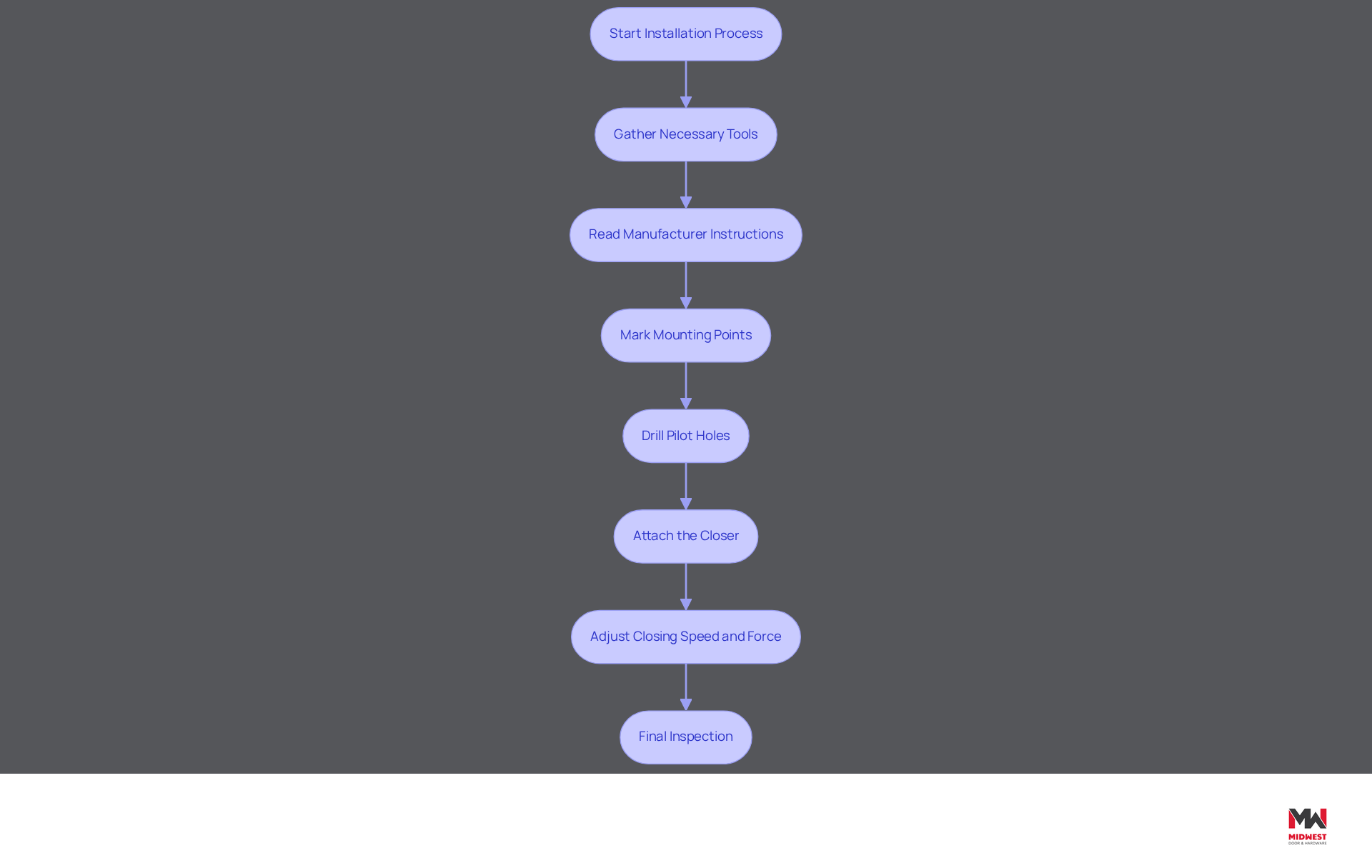
The effective operation and longevity of a sliding door closer depend on proper installation. To achieve a successful installation, follow these steps:
- Gather Necessary Tools: Ensure you have all required tools, including a power drill, screwdriver, measuring tape, and level.
- Read Manufacturer Instructions: Thoroughly review the installation manual provided by the manufacturer for specific guidelines and requirements. Adhering to these instructions is crucial for safety and compliance with legal regulations.
- Mark Mounting Points: Use a measuring tape to accurately mark the locations for mounting the closer on both the entry and the frame. Ensure these points are level to avoid misalignment, which can lead to significant operational issues, affecting the door's functionality.
- Drill Pilot Holes: Carefully drill pilot holes at the marked points, ensuring not to damage the entry or frame. This step is essential to avoid any structural damage during setup.
- Attach the Closer: Securely fasten the closer to the entryway and frame using the provided screws. Ensure that it is mounted at the correct height and angle as specified in the instructions to guarantee optimal functionality.
- Adjust Closing Speed and Force: After setup, adjust the closing speed and force according to the manufacturer's recommendations. Testing the entrance multiple times ensures it closes smoothly without slamming, which can cause wear over time.
- Final Inspection: Make sure to do a final inspection to check that everything is securely fastened and working as it should. Make any necessary adjustments before deeming the setup complete.
Case Studies:
- Hidden Installation: This method conceals the door closer, requiring a professional for installation due to its complexity. When executed properly, it leads to a visually attractive entryway with no exposed components when shut.
- Standard Installation of Sliding Mechanisms: This method involves installing the sliding mechanism body on the side of the sliding panel and the support arm on the frame. It is appropriate for narrow frame openings and permits effective closure without obstruction.
By following these steps and considering the insights from case studies, contractors can correctly install a sliding door closer. This enhances both their longevity and performance. Regular inspections and adherence to safety standards are essential for maintaining optimal functionality and performance. At Midwest Door & Hardware, we offer extensive installation assistance and services designed to fulfill the requirements of midsize contractors, featuring our distinctive in-house fabrication shop for personalized solutions and cosmetic wood repair services as a budget-friendly option to replacement.
Establish Maintenance Routines for Sliding Door Closers
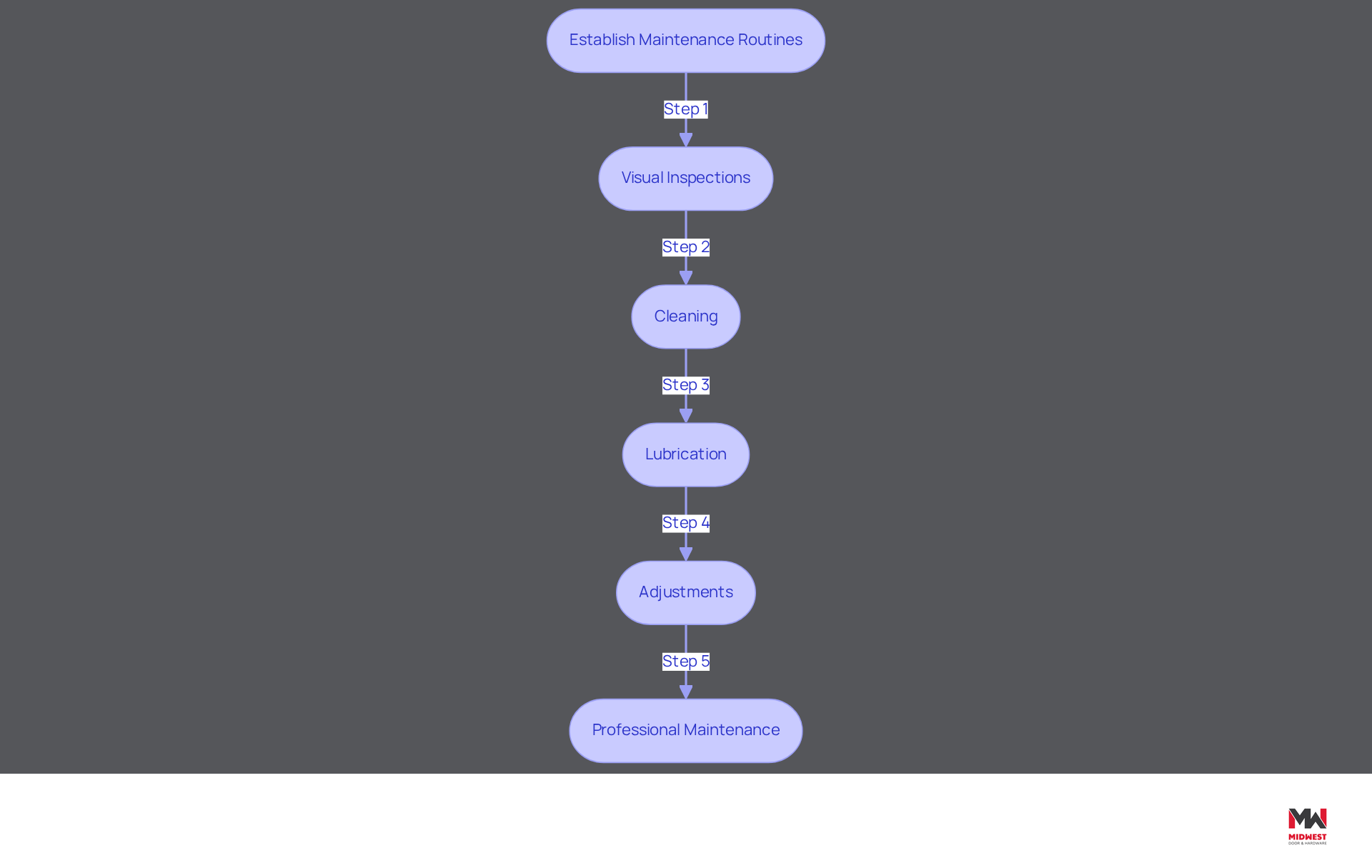
Regular maintenance of the sliding door closer mechanisms is crucial to prevent costly repairs and ensure safety. Implement the following routine:
- Visual Inspections: Conduct regular visual inspections to check for any signs of wear, damage, or misalignment. Look for leaks in hydraulic models and ensure that all components are securely fastened. Monthly inspections in high-traffic areas are recommended to catch early warning signs before they escalate into costly repairs.
- Cleaning: Keep the surrounding areas clean. Use a damp cloth to remove dust and debris that may accumulate around the sliding door closer, as this can affect its operation. Regular cleaning helps maintain functionality and compliance with safety codes.
- Lubrication: Apply lubricant to moving parts as recommended by the manufacturer. This minimizes friction and wear, promoting smooth operation. A silicone-based lubricant is ideal for optimal performance. Avoid over-lubrication, as excess grease can attract dirt.
- Adjustments: Periodically check and adjust the closing speed and force settings to ensure they remain within the desired parameters. This is especially important in high-traffic areas where frequent use can lead to changes in performance. Adjustments should be made carefully to avoid damaging internal seals.
- Professional Maintenance: Plan for professional maintenance at least once a year to catch any hidden issues that routine inspections might miss. This can include thorough cleaning, lubrication, and adjustments. Routine professional evaluations are essential for recognizing wear patterns and maintaining compliance with NFPA 80 standards for fire-rated assemblies. Additionally, strict adherence to ICC 500 standards for tornado-rated entries is essential for ensuring safety in designated storm shelters, with all hardware needing to be listed and compliant with interior egress requirements.
By prioritizing these maintenance routines, contractors can significantly enhance the safety and reliability of sliding door systems with a sliding door closer, ensuring compliance with essential safety standards. Compliance with FEMA, ICC 500, NFPA 80, and local building codes is essential for maintaining the integrity of door systems, particularly for tornado-rated and fire-rated doors.
Conclusion
The selection and installation of sliding door closers are pivotal for ensuring both functionality and safety in various environments. Understanding the various types of sliding door closers and their applications allows contractors to make informed decisions. This enhances performance and ensures compliance with safety standards.
Key considerations include evaluating the weight and size of the entry, traffic frequency, environmental conditions, and adherence to construction regulations. Proper installation techniques are equally important, ensuring that the closer operates smoothly and efficiently. Regular maintenance routines, including inspections, cleaning, and professional evaluations, are essential for prolonging the lifespan of the door closer and ensuring it meets safety codes.
Prioritizing these best practices improves operational efficiency and reinforces safety in tornado-prone areas like Nebraska. Contractors can rely on the expertise and resources from Midwest Door & Hardware, including in-house fabrication and specialized services, to ensure their installations are reliable and compliant.
Frequently Asked Questions
What are the main types of sliding door closers?
The main types of sliding door closers include hydraulic door mechanisms, spring-loaded door closers, pneumatic door mechanisms, electromagnetic door mechanisms, and hidden mechanisms.
How do hydraulic door mechanisms work?
Hydraulic door mechanisms utilize hydraulic fluid to regulate the speed and force of the door's closing action, ensuring a smooth and controlled closure. They are suitable for high-traffic areas and can be adjusted for both speed and force.
What are spring-loaded door closers best suited for?
Spring-loaded door closers use a spring mechanism and are simpler and more cost-effective. They are ideal for lighter entries and situations where the door is used less frequently.
In what settings are pneumatic door mechanisms most beneficial?
Pneumatic door mechanisms operate on air pressure and offer quieter operation, making them ideal for environments where noise reduction is important, such as libraries or offices.
What is the purpose of electromagnetic door mechanisms?
Electromagnetic door mechanisms are designed for automatic entrances and can be integrated with access control systems, ensuring that doors close automatically after being opened, which enhances security and convenience in commercial settings.
What are hidden mechanisms and where are they typically used?
Hidden mechanisms are installed within the door frame, providing a stylish appearance while maintaining functionality. They are often preferred in high-end commercial applications where design is a priority.
Why is it important to understand the types of sliding door closers?
Understanding the types of sliding door closers helps contractors select the appropriate mechanism based on factors such as weight, traffic frequency, and specific operational needs, ensuring efficient and safe installations.
What safety standards should be considered when installing sliding door closers?
It is crucial to ensure that all installations comply with relevant safety standards, including ICC 500 for tornado-rated entries and NFPA 80 for fire-rated assemblies, to avoid safety hazards and operational inefficiencies.
List of Sources
- Understand Types and Functions of Sliding Door Closers
- GEZE TS 7000 door closer receives 2026 German Design Award (https://geze.co.uk/en/newsroom/geze-ts-7000-door-closer-wins-2026-german-design-award)
- Future of the Commercial Hydraulic Door Closers Market: Structural Insights and CAGR Projections from 2026 to 2033 (https://linkedin.com/pulse/future-commercial-hydraulic-door-closers-market-structural-oul4c)
- Hydraulic Door Closers Industry Analysis Report: Hydraulic Door Closers Market Size, Share and Competitive Strategies (2026 - 2033). (https://linkedin.com/pulse/hydraulic-door-closers-industry-analysis-report-market-uesoe)
- Hydraulic Door Closers Market Report: Industry Value, Revenue Forecast, and 6% CAGR Growth 2026–2033 (https://linkedin.com/pulse/hydraulic-door-closers-market-report-industry-value-revenue-jajdf)
- 2026 Door Hardware Trends: The Evolution of Hydraulic Solutions and Quiet Luxury - Ningbo pentagon damper corporation (https://cnpentagon.com/2026-door-hardware-trends-the-evolution-of-hydraulic-solutions-and-quiet-luxury)
- Evaluate Selection Criteria for Sliding Door Closers
- Door Closer Size Chart: How to Choose the Right Size (https://doorsforpros.com/blog/post/door-closer-size-chart?srsltid=AfmBOop_6oYsP6cpiS6JcN_4uR-t5q7tT7mzbAp_P0bHJ-5ENzUy1THT)
- Home Safety Codes for Sliding Doors Updated for 2026 (https://apaclosetdoors.com/home-safety-codes-for-sliding-doors)
- Choosing the Right Door Closer: Types and Specifications Guide (https://doorcontrolsdirect.co.uk/blog/post/48-door-closer-types-how-to-choose-the-right-closer)
- Ask the Experts: Choosing the Right Electric Door Closer for Your Building - KCC Group (https://thekccgroup.com/news/ask-the-experts-choosing-the-right-electric-door-closer-for-your-building)
- Implement Proper Installation Techniques for Sliding Door Closers
- Five Installation Methods Of Door Closers-www.s4a-access.com (https://s4a-access.com/blog/five-installation-methods-of-door-closers_b192)
- Different Installation Methods For Door Closers - News - Haida Door Control (https://heinda-cn.com/news/different-installation-methods-for-door-closer-72752118.html)
- Sliding Glass Door Installation: What to Expect in 2026 (https://gladiatorwindowanddoors.com/blogs/news/sliding-glass-door-installation-guide?srsltid=AfmBOorjP-hqi1K41g4w9KQkE-Qz-3cnbYcDU6gbBwfO7-6ZSYQROD8K)
- The Importance Of Manufacturer's Instructions For Business (https://neathousepartners.com/blog/manufacturers-instructions-the-importance-of-using-for-business?hs_amp=true)
- Establish Maintenance Routines for Sliding Door Closers
- How to Inspect and Maintain Commercial Door Closers | CDF Distributors (https://cdfdistributors.com/blog/post/inspecting-maintaining-commercial-door-closers)
- Automatic Sliding Door Preventive Maintenance Checklist – Tasks, Tips & Best Practices (https://osapiens-cmms.com/maintenance-checklist/automatic-sliding-door-preventive-maintenance-checklist)
- Door Closer Repair: How to Know When to Repair vs. Replace Your Commercial Door Closer (https://nashvilledoorcloser.com/door-closer-repair-how-to-know-when-to-repair-vs-replace-you)
- How to Maintain Automatic Sliding Doors | Expert Guide (https://fdsus.com/how-to-maintain-automatic-sliding-doors)
- Essential Maintenance Tips for Commercial Door Closers (https://cdfdistributors.com/blog/post/essential-maintenance-tips-for-commercial-door-closers)
Related News
Check out more of what we’ve worked on.