

Introduction
Selecting the right bathroom partitions is crucial for optimizing both functionality and user experience in commercial projects. Navigating the diverse pricing landscape can be challenging due to varying costs and installation complexities. Understanding these trends will empower you to achieve the best value for your project.
Understand Bathroom Partitions and Their Types
Selecting the right bathroom dividers is crucial for meeting diverse user needs and project specifications in commercial environments. Each type of divider is customized for specific applications, and understanding these options can help ensure the best fit for your project.
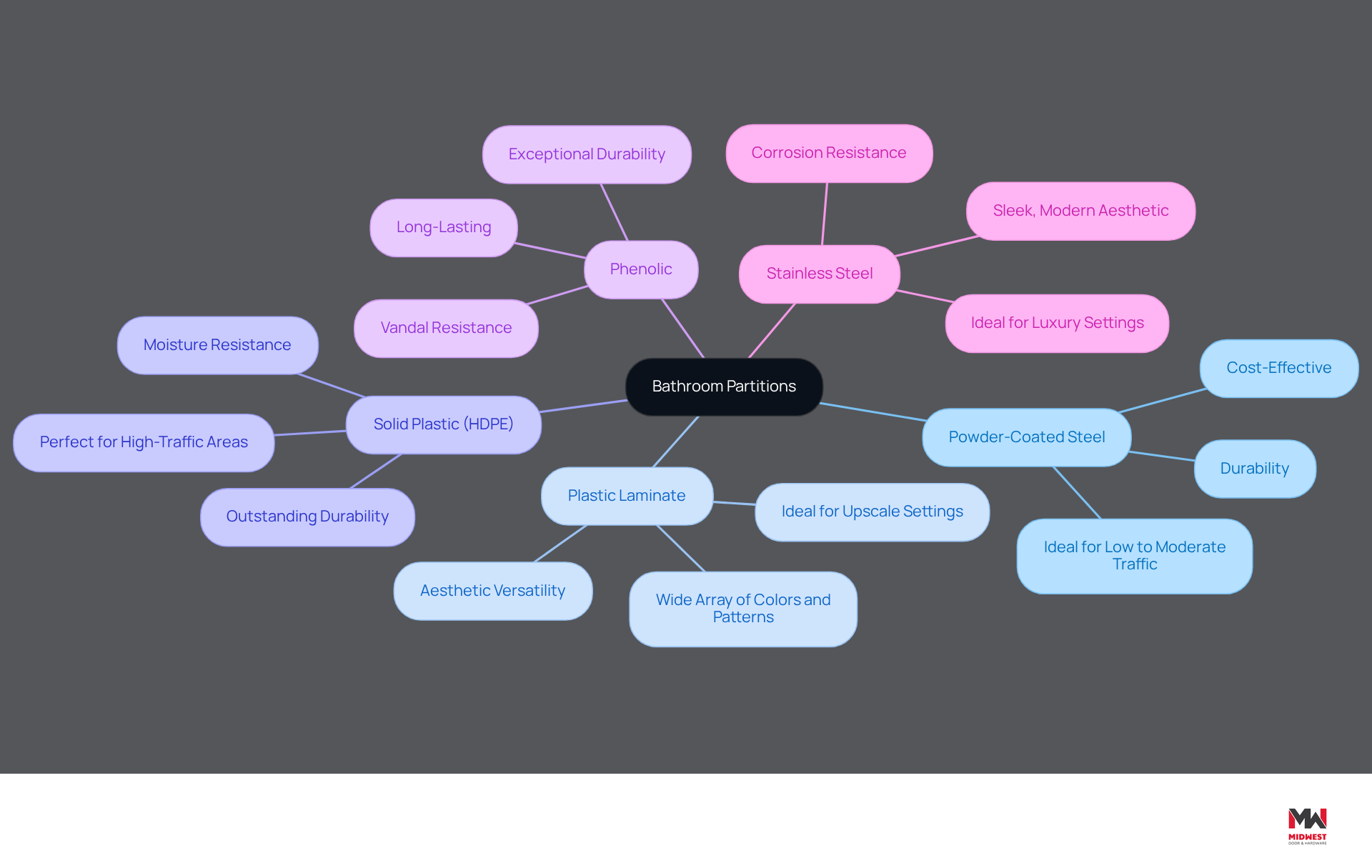
- Powder-Coated Steel: This economical option is favored for its durability and resistance to wear, making it suitable for low to moderate traffic areas. Its affordability makes it a popular choice for budget-conscious projects.
- Plastic Laminate: Renowned for its aesthetic versatility, plastic laminate dividers come in a wide array of colors and patterns. This makes them ideal for upscale settings such as restaurants and hotels, where their visual appeal can enhance the overall restroom experience.
- Solid Plastic (HDPE): Recognized for its outstanding durability and moisture resistance, solid plastic dividers are perfect for high-traffic restrooms. They withstand heavy use and are easy to maintain, making them a practical choice for schools and gyms.
- Phenolic: Providing exceptional durability and vandal resistance, phenolic dividers are well-suited for public restrooms. Their robust nature ensures longevity, reducing the need for frequent replacements, which is crucial in busy environments.
- Stainless Steel: Often found in luxury settings, stainless steel dividers are resistant to corrosion and provide a sleek, modern aesthetic. They are ideal for upscale restaurants and bars, where restroom quality reflects the overall brand image.
Understanding these divider types is key to selecting the right solution that fits your project needs and budget. With the global toilet divider market valued at USD 3.29 billion in 2023 and projected to grow at 4.4% annually until 2025, the rising demand for commercial spaces and a focus on hygiene are driving this trend. This growth indicates a shift towards selecting materials that not only meet functional needs but also align with sustainability goals. Additionally, color choices in restroom design can significantly influence user experience, particularly in educational settings where they can affect student attention spans. Ultimately, the choice of bathroom dividers can significantly impact user satisfaction and operational efficiency in commercial spaces.
Explore Materials and Their Impact on Pricing
The choice of material for bathroom partitions significantly affects how much are bathroom partitions in terms of initial costs and long-term maintenance expenses. Below is a detailed overview of common materials and their associated price ranges:
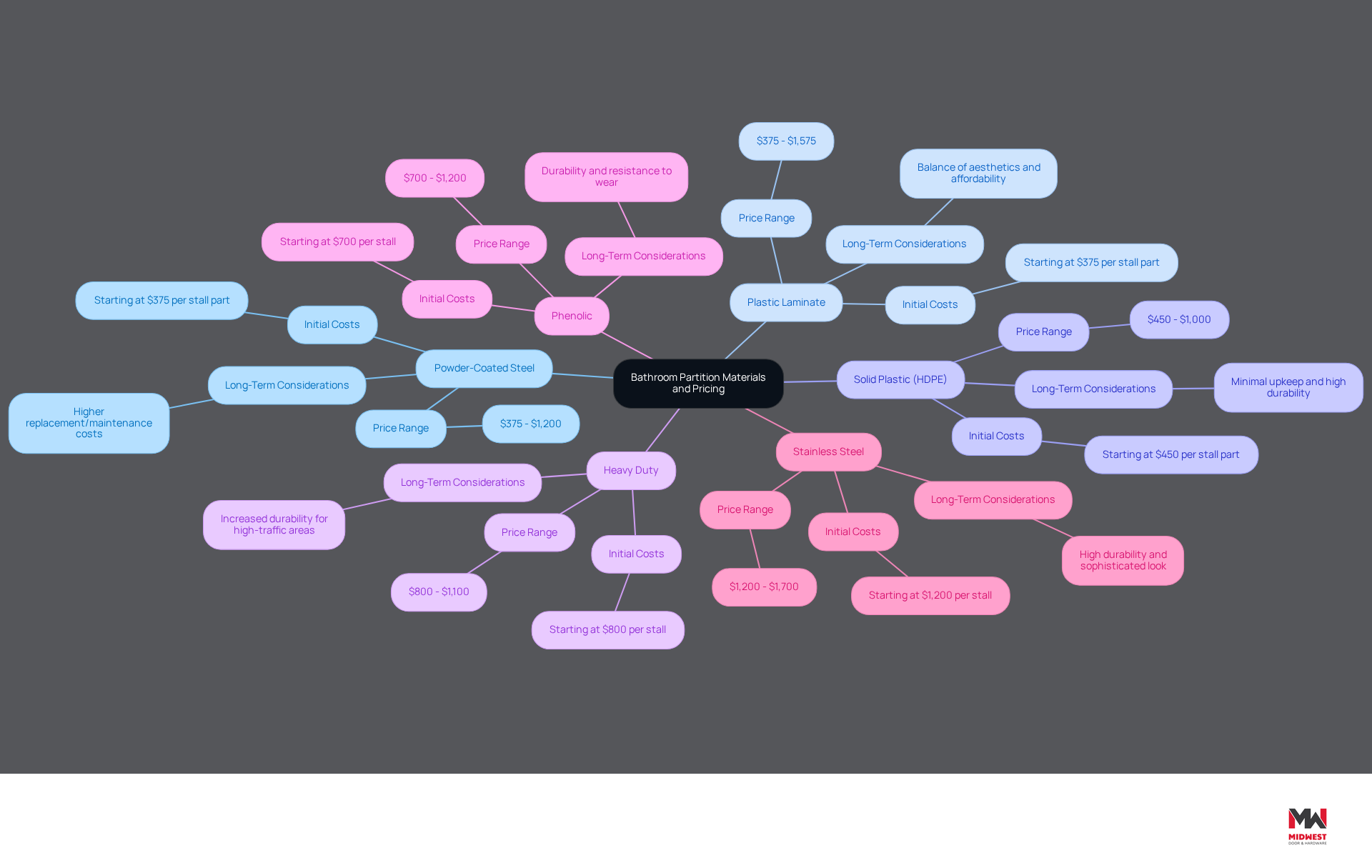
- Powder-Coated Steel: This economical option typically starts at $375 per stall part, with installation costs ranging from $500 to $1,200. While economical, this option may incur higher replacement or maintenance costs in the long run, which is an important consideration for budget-conscious projects.
- Plastic Laminate: Ranging from $375 to $800 per unit, plastic laminate provides a balance of aesthetics and affordability, leading to inquiries about how much are bathroom partitions made from this material. When considering the overall costs for plastic laminate, which can vary from $875 to $1,575, it is important to ask how much are bathroom partitions, as this depends on the specific configuration and installation requirements.
- Solid Plastic (HDPE): Typically priced between $450 and $1,000 per unit, these barriers are recognized for their strength and minimal upkeep, which raises the question of how much are bathroom partitions in busy settings.
- Heavy Duty: These dividers are priced between $800 and $1,100 each, leading to the inquiry of how much are bathroom partitions for projects needing increased durability.
- Phenolic: With prices ranging from $700 to $1,200 per unit, phenolic barriers are noted for their durability and resistance to wear, which is important for those wondering how much are bathroom partitions that provide longevity in their installations.
- Stainless Steel: As a premium option, stainless steel partitions, which can lead to inquiries about how much are bathroom partitions, range from $1,200 to $1,700 per stall, offering a sophisticated look and high durability for upscale installations.
It's essential to consider not just the initial costs but also how much are bathroom partitions, as their long-term maintenance and durability can significantly affect overall expenses. For instance, while powder-coated steel may be the most affordable upfront, it's essential to consider how much bathroom partitions like solid plastic or stainless steel may provide better long-term savings due to their durability and lower maintenance needs. Additionally, utilizing tools such as the Bathroom Partition Price Calculator and the 3D configurator can aid contractors in budgeting and planning effectively. Ultimately, understanding the balance between upfront costs and long-term durability is essential for making informed decisions in project planning.
Identify Key Factors Affecting Bathroom Partition Costs
Understanding how much bathroom partitions cost and the various factors that influence this is essential for accurate budgeting and project planning.
Several key elements can significantly impact the overall cost:
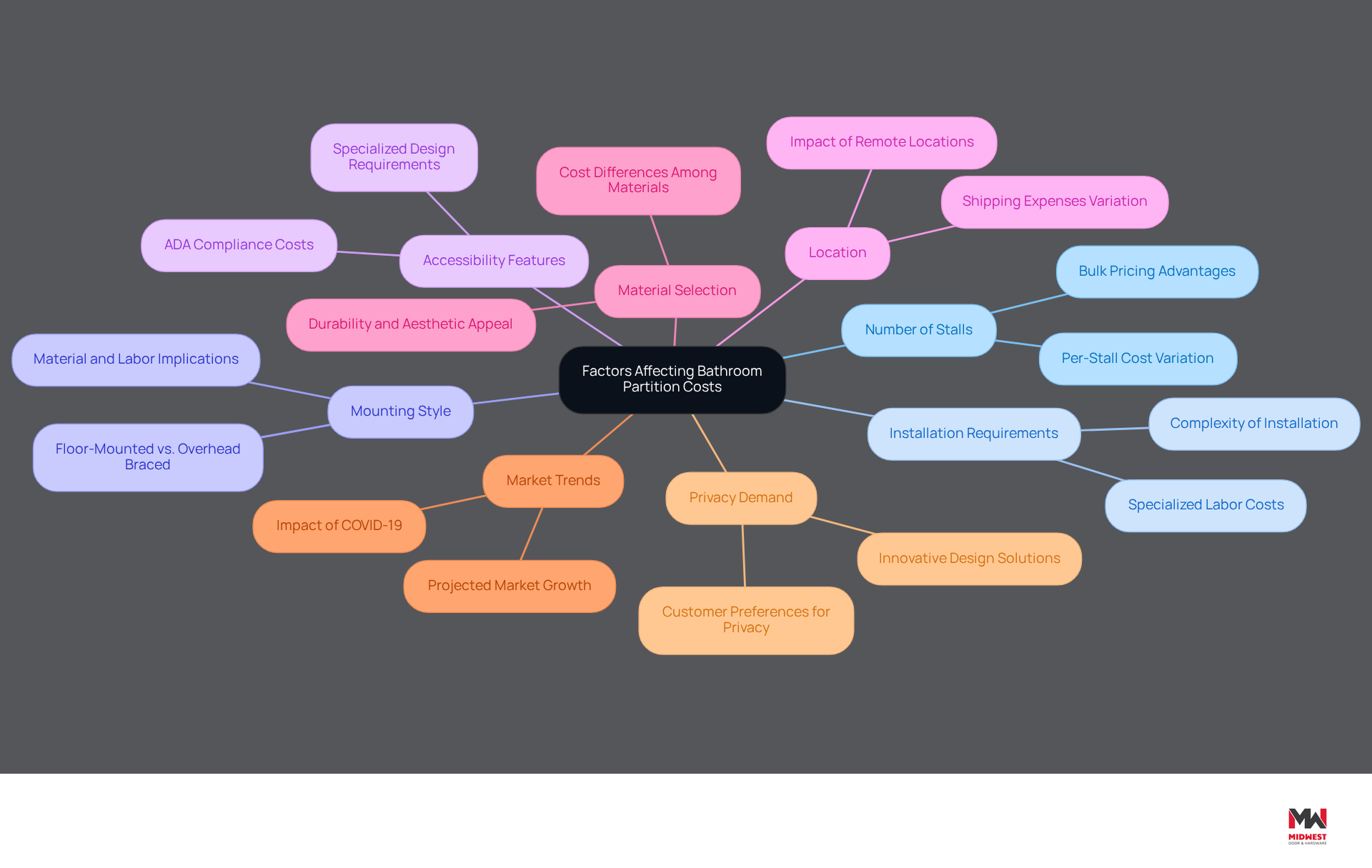
- Number of Stalls: Ordering more stalls typically reduces the per-stall cost due to bulk pricing advantages. This pricing structure reflects economies of scale, making larger orders more cost-effective.
- Installation Requirements: The complexity of the installation significantly influences expenses. Simple installations are generally less expensive than those requiring custom configurations or specialized labor, which can add to the overall budget. Complex installations often lead to unexpected costs, impacting the overall budget.
- Mounting Style: Various mounting styles, such as floor-mounted or overhead braced, can influence both material expenses and installation labor. Each style has its own financial implications based on the materials utilized and the installation procedure involved.
- Accessibility Features: Projects requiring ADA-compliant partitions may involve extra expenses due to the necessity for specialized designs that meet accessibility standards. This is an essential consideration for public facilities, where compliance is mandatory.
- Location: Shipping expenses can vary significantly based on the distance from the supplier to the installation site. This factor can impact the overall budget, especially for projects located in remote areas. Significantly, shipping expenses can be distributed across various sections, providing enhanced value when ordering in bulk.
- Material Selection: Material choice plays a significant role in pricing; for example, stainless steel dividers tend to be pricier, while powder-coated steel offers a more budget-friendly option. Understanding these differences is crucial for effective budget planning.
- Market Trends: The global toilet cubicles market is projected to reach USD 3.85 billion by 2035, growing at a CAGR of 4.6% from 2026 to 2035. This growth indicates rising demand for quality and compliance in restroom facilities, which contractors should take into account when planning endeavors.
- Privacy Demand: There is a rising customer demand for greater privacy in toilets, especially in public venues. This trend is prompting new layout designs with longer panels and materials that fill gaps, boosting user comfort and privacy.
By accounting for these factors, you can ensure a comprehensive budget that aligns with project goals and client expectations.
Request Quotes and Compare Pricing Options
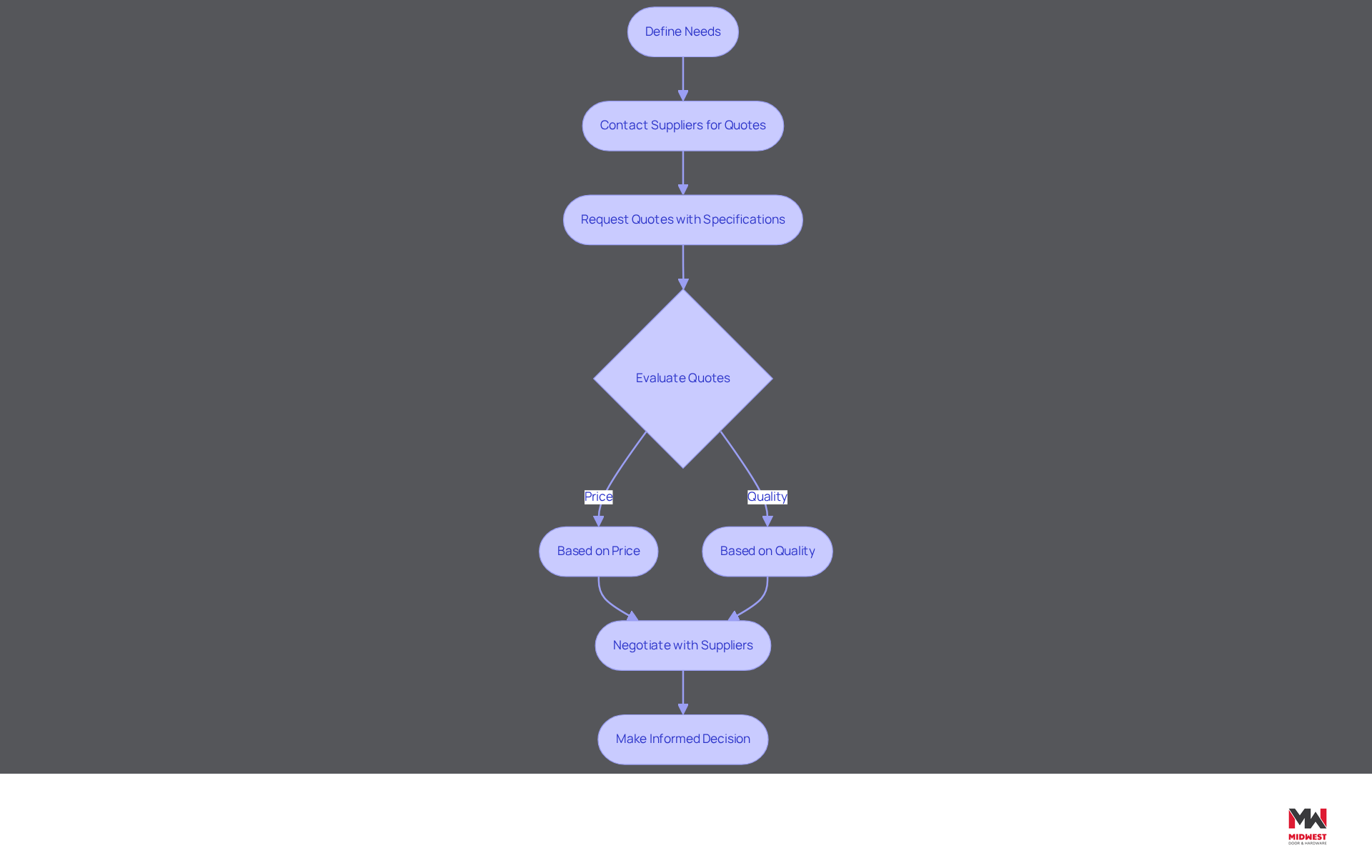
To determine how much are bathroom partitions, securing the best pricing requires a strategic approach to supplier engagement and cost evaluation. Start by clearly defining your needs, including the number of units, preferred materials, and any specific requirements such as ADA compliance. Next, contact at least three suppliers to request quotes, ensuring you provide the same specifications for accurate comparisons.
Inquire about additional costs, including shipping, installation, and any potential hidden fees that may not be included in the initial quote. When you receive the quotes, evaluate them not only based on price but also on the quality of materials and services offered. Typically, when considering how much are bathroom partitions, the price for commercial restroom dividers ranges from $300 to $1,200 per unit, depending on materials and design. For example:
- Powder-coated steel dividers range from $400 to $600 each
- Stainless steel barriers cost between $850 and $1,100 each
- Solid plastic (HDPE) enclosures are priced between $600 and $900 each
Don’t hesitate to negotiate with suppliers; they may offer discounts for bulk orders or other incentives, especially if your project involves multiple stalls. Following these steps will help you make informed decisions that maximize value for your bathroom partition project. Additionally, remember that compliance with FEMA, ICC 500, NFPA 80, and local building codes is crucial for fire-rated and tornado-rated doors, including proper labeling, hardware compatibility, and installation standards. Prioritizing compliance and quality not only safeguards your investment but also enhances the longevity of your installation.
Conclusion
Selecting the right bathroom partitions is a pivotal decision that impacts both functionality and aesthetics in commercial restrooms. Understanding the various types of partitions, their materials, and the factors affecting their costs is essential for making informed choices that align with project goals and budgets.
Throughout this guide, key insights have been provided on the different types of bathroom partitions, including:
- Powder-coated steel
- Plastic laminate
- Solid plastic
- Phenolic
- Stainless steel
Each material offers unique benefits and price ranges, allowing for tailored solutions based on specific needs and environments. Additionally, factors such as the number of stalls, installation complexity, and market trends play a vital role in determining overall costs, emphasizing the importance of thorough planning and budgeting.
Ultimately, selecting bathroom partitions requires a focus on both initial costs and long-term durability and maintenance. Contractors should engage with multiple suppliers, request detailed quotes, and understand the nuances of each option to secure the best value for their projects. Prioritizing quality and compliance with local building codes will enhance the longevity of installations, ultimately leading to greater user satisfaction and operational efficiency in Nebraska's diverse commercial spaces.
Frequently Asked Questions
Why is selecting the right bathroom partition important?
Selecting the right bathroom partition is crucial for meeting diverse user needs and project specifications in commercial environments, ensuring the best fit for the project.
What are the different types of bathroom partitions mentioned in the article?
The article mentions five types of bathroom partitions: Powder-Coated Steel, Plastic Laminate, Solid Plastic (HDPE), Phenolic, and Stainless Steel.
What are the characteristics of Powder-Coated Steel partitions?
Powder-Coated Steel partitions are economical, durable, and resistant to wear, making them suitable for low to moderate traffic areas.
Where are Plastic Laminate partitions typically used, and what are their benefits?
Plastic Laminate partitions are ideal for upscale settings like restaurants and hotels due to their aesthetic versatility, available in a wide array of colors and patterns.
What makes Solid Plastic (HDPE) partitions a practical choice?
Solid Plastic (HDPE) partitions are known for their outstanding durability and moisture resistance, making them perfect for high-traffic restrooms, such as those in schools and gyms.
What are the advantages of using Phenolic partitions?
Phenolic partitions provide exceptional durability and vandal resistance, making them well-suited for public restrooms and reducing the need for frequent replacements.
In what settings are Stainless Steel partitions commonly found, and what are their features?
Stainless Steel partitions are often found in luxury settings and are resistant to corrosion, providing a sleek, modern aesthetic ideal for upscale restaurants and bars.
What is the current market value of the global toilet divider market, and what is its projected growth?
The global toilet divider market is valued at USD 3.29 billion in 2023 and is projected to grow at 4.4% annually until 2025.
What factors are driving the growth of the bathroom partition market?
The rising demand for commercial spaces and a focus on hygiene are driving the growth of the bathroom partition market.
How can color choices in restroom design affect user experience?
Color choices in restroom design can significantly influence user experience, particularly in educational settings, where they can affect student attention spans.
List of Sources
- Understand Bathroom Partitions and Their Types
- The Ultimate Guide to Toilet Partitions: Choosing the Right Bathroom Stall for Your Commercial Space - Boreal Architectural (https://borealarchitectural.com/blog/the-ultimate-guide-to-toilet-partitions-choosing-the-right-bathroom-stall-for-your-commercial-space)
- Chapter 7: Toilet Partition Trends - One Point Partitions (https://onepointpartitions.com/online-guides/introduction-chapter-1-your-guide-to-toilet-partition-colors/chapter-7-toilet-partition-trends-by-industry?srsltid=AfmBOopqMr2V0ZG_6Uc0x_z5YcXzzUJu2LyrtzDqe4RKDknz1tRBPkpN)
- Toilet Partition Market Size, Share, Trends & Analysis, 2034 (https://marketdataforecast.com/market-reports/toilet-partition-market)
- Explore Materials and Their Impact on Pricing
- Bathroom Partition Price Calculator | Partition Pros (https://thepartitionpros.com/stall-quote-calculator)
- A Comprehensive Guide to Bathroom Partition Costs: Pricing and Budgeting Tips (https://asi-globalpartitions.com/bathroom-partition-costs)
- Bathroom Partitions & Stalls Pricing & Costs | One Point Partitions (https://onepointpartitions.com/prices?srsltid=AfmBOooFLAU3w38qVSGQSMFFYIQYY3_HCctgxbriGOY1t6bxjtakPjtt)
- Identify Key Factors Affecting Bathroom Partition Costs
- Bathroom Stall Price (https://partitionplus.com/bathroom-stall-price?srsltid=AfmBOorou1Q0Gb8O9Bmhgonv9-2-fFcxrErEVt_cZeM6d07XMyyC0rM2)
- Toilet Partitions Market Size & Share Trends, 2035 (https://businessresearchinsights.com/market-reports/toilet-partitions-market-100705)
- Toilet Partition Market Size, Share, Trends & Analysis, 2034 (https://marketdataforecast.com/market-reports/toilet-partition-market)
- Request Quotes and Compare Pricing Options
- Borough Requests Quotes for Community Pool Restrooms (https://myerstownpa.org/news_detail_T6_R226.php)
- Bathroom Partition Pricing (https://bathroompartitionsonline.com/bathroom-partition-pricing)
- U.S. Toilet Partition Market Size & Share Report, 2022-2030 (https://grandviewresearch.com/industry-analysis/us-toilet-partitions-market)
- A Comprehensive Guide to Bathroom Partition Costs: Pricing and Budgeting Tips (https://asi-globalpartitions.com/bathroom-partition-costs)
Related News
Check out more of what we’ve worked on.