
Introduction
Contractors face significant challenges in ensuring the security and safety of buildings, particularly when it comes to lock selection and installation. Knowing the security requirements for each facility is crucial for compliance and for protecting occupants and assets. As security concerns grow, contractors often wonder how to effectively assess vulnerabilities.
What best practices should they implement to ensure robust protection? By mastering essential practices for building locks, contractors can enhance security and ensure compliance with regulatory standards. This ultimately fortifies the structures they manage.
Define Security Requirements for Building Locks
To ensure robust protection for structures, contractors must first assess the specific needs of each facility. This assessment requires understanding the building's purpose, foot traffic levels, and potential threats. For instance, schools may need devices that are simple to use in emergencies, such as classroom closure mechanisms that allow staff to secure the hallway side of the door from within the room while ensuring free exit. Hospitals might require devices that ensure patient safety and privacy.
Familiarity with local construction codes and regulations is essential, as these dictate minimum security standards. Contractors should consult resources such as the International Building Code (IBC) and local ordinances that specify requirements for building locks in commercial applications. Adherence to FEMA, ICC 500, NFPA 80, and local construction codes is vital for fire-rated and tornado-rated entries, including appropriate labeling, hardware compatibility, and installation standards. Ensure that tornado-rated shelter door hardware is listed and compliant with interior egress requirements, as non-listed hardware is unacceptable.
Keeping perimeters locked and managing entry points with access control systems, including remote access, cameras, and intercoms, can prevent unauthorized access and enable facility-wide lockdown protocols when needed. Conducting a thorough risk assessment tailored to each project allows contractors to identify vulnerabilities and select building locks that not only meet regulatory requirements but also ensure optimal protection for the structure and its occupants. Regular inspections should also be performed to identify any weaknesses in the building's protective stance. Furthermore, documented maintenance programs for fire-rated door assemblies, as required by NFPA 80, are essential to ensure ongoing compliance and safety. This proactive approach guarantees that protective measures are effective and aligned with the unique operational needs of the facility. Additionally, Midwest Door & Hardware offers a range of comprehensive product brands, including Sargent, Design Hardware, Dormakaba, Medeco, Securitech, and Best Dormakaba, along with unique in-house fabrication services and keying solutions tailored for educational and healthcare facilities. By prioritizing these assessments and compliance measures, contractors can significantly enhance the safety and security of the facilities they manage.

Evaluate Different Types of Building Locks
Contractors face the challenge of balancing security, access, and long-term flexibility in their keying systems when selecting building locks.
- Deadbolts: For example, a Grade 1 deadbolt has a solid bolt throw of at least one inch, ensuring strong protection against forced entry. Most forced entries occur by compromising the door frame rather than the lock itself, so it’s crucial to choose locks that work well with strong door frames and proper installation.
- Lever Handle Mechanisms: Commonly utilized in commercial environments, lever handle mechanisms are preferred for their simplicity, especially for individuals with disabilities. They can be paired with deadbolts to enhance security, making them a versatile option for various applications.
- Smart Devices: Smart locks are becoming more common in commercial buildings, but contractors must ensure they are secure enough for their specific needs. While these devices offer keyless entry and remote access, they may introduce vulnerabilities if not properly secured, posing a risk in high-security environments.
- Padlocks: Useful for temporary or additional protection, padlocks are effective for securing gates and storage areas. Heavy-duty choices are advised for construction sites, where strong protective measures are essential.
Contractors should evaluate the advantages and disadvantages of each type of fastener, such as building locks, based on particular protection requirements. While smart devices offer convenience and advanced features such as remote monitoring, conventional deadbolts continue to be a dependable option for high-security applications. Furthermore, data indicates that 90% of buyers considered the protection level against burglary as very crucial in smart devices, emphasizing the importance of safety features in selection. By strategically evaluating these lock types, contractors can significantly enhance the security posture of their projects in Nebraska.

Implement Proper Installation Techniques for Building Locks
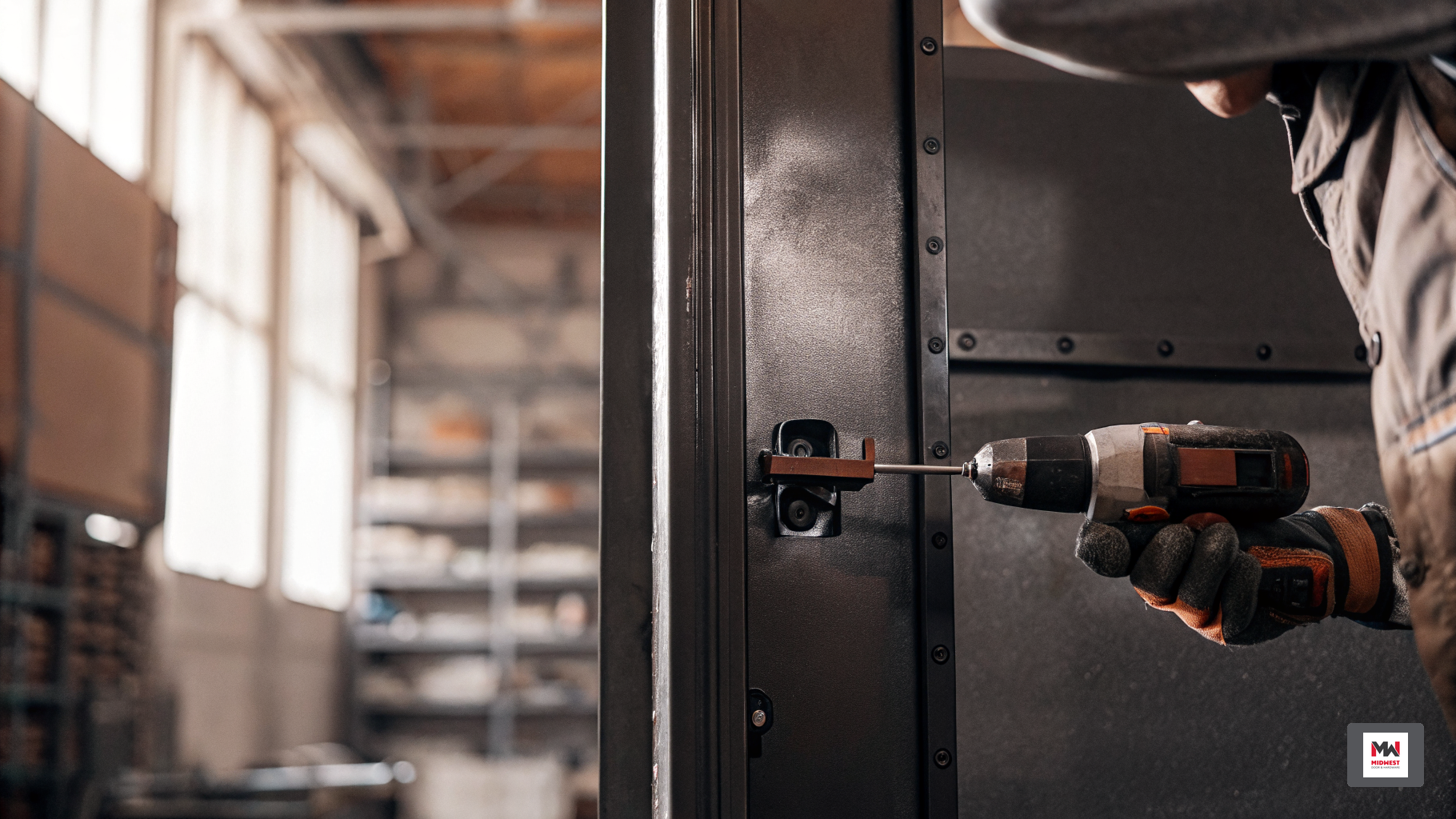
To ensure the correct installation of building locks, contractors must adhere to established best practices that enhance security and reliability:
- Use the Right Tools: Gather all necessary tools, including drills, screwdrivers, and templates, to facilitate accurate placement during installation.
- Follow Manufacturer Instructions: Each lock type has specific installation guidelines. Strict compliance with these instructions is crucial for ensuring the proper function and protection of building locks, as incorrect installation can create security vulnerabilities that may jeopardize safety.
- Check Door Alignment: Before installation, confirm that the door is properly aligned within its frame. Misalignment can cause difficulties in the operation of building locks, potentially compromising security.
- Test the Mechanism: After installation, thoroughly evaluate the mechanism to ensure smooth operation. This includes checking the key mechanism, lever action, and any electronic components to confirm they function correctly.
- Secure All Components: Ensure that all screws and fittings are tightened to prevent any movement that could compromise the security of the mechanism.
By applying these techniques, contractors enhance the reliability and security of building locks installed in various structures. This leads to greater client satisfaction. Regular inspections and maintenance are vital. They can prevent up to 85% of door failures and help ensure compliance with safety standards like NFPA 80 for fire-rated doors and ICC 500 for tornado-rated doors. Proper installation not only protects property but also safeguards the occupants, making it a critical aspect of any construction project.

Establish Maintenance Protocols for Building Locks
To ensure the longevity and security of building locks, contractors must adopt a comprehensive maintenance protocol that encompasses the following essential steps:
- Regular Inspections: Schedule periodic inspections to identify signs of wear, misalignment, or damage. This proactive approach can help detect issues before they escalate into serious problems, ultimately enhancing security and functionality. Compliance with NFPA 80 mandates annual inspection and testing of fire-rated door assemblies, which is critical for maintaining safety standards.
- Cleaning: Ensure mechanisms are kept clean by removing dirt and debris that may hinder their operation. Utilize a gentle cloth and mild soap for the exterior, steering clear of severe chemicals that might harm the mechanism components.
- Lubrication: Apply a suitable lubricant to the moving components of the mechanism to prevent sticking or jamming. Graphite powder is highly recommended as it does not attract dust, ensuring smoother operation.
- Key Management: Establish a key management system to track keys and prevent unauthorized duplication. Frequently update the entry mechanisms or rekey them if keys are misplaced or jeopardized, preserving safety integrity. We offer keying services tailored to meet the needs of schools, offices, and hospitals, from basic cylinder arrangements to master key systems.
- Documentation: Keep detailed records of all maintenance activities, including inspections, repairs, and replacements. This documentation is invaluable for warranty claims and future maintenance planning, ensuring a comprehensive maintenance history. Furthermore, keeping records can safeguard against liability claims associated with safety concerns.
Neglecting regular maintenance of building locks can lead to costly repairs and compromised security. By adhering to these protocols, contractors can significantly enhance client safety and satisfaction. Furthermore, strict adherence to ICC 500 standards for tornado-rated entries in designated storm shelters is essential, with no substitutions or equivalents allowed. As a trusted local provider, Midwest Door & Hardware can assist in reviewing hardware schedules and providing product recommendations to ensure compliance and safety in Nebraska's unique climate. Additionally, our in-house fabrication shop can customize doors, frames, and hardware to meet specific project needs, while our cosmetic wood door repair service offers a cost-effective alternative to replacement. Ultimately, a proactive maintenance approach not only safeguards client investments but also reinforces trust in the contractor's expertise.

Conclusion
Effective lock systems are crucial for safeguarding buildings and ensuring the safety of occupants and assets. By understanding the specific security requirements of each facility, evaluating various lock types, and implementing proper installation and maintenance protocols, contractors can significantly enhance the safety and reliability of their projects. A comprehensive approach meets regulatory standards while addressing the unique security needs of environments like schools and hospitals.
Key insights include:
- The importance of conducting thorough risk assessments to identify vulnerabilities.
- Selecting locks that align with the building's purpose.
- Adhering to local construction codes.
Furthermore, employing best practices in installation and maintenance can prevent security breaches and ensure that locks function optimally over time. Contractors can enhance security measures by leveraging the wide range of products and specialized services offered by Midwest Door & Hardware.
Ultimately, prioritizing robust lock systems and proactive maintenance is essential for safeguarding occupants and assets. By adopting these best practices, contractors not only protect their projects but also foster trust with clients, ensuring long-term partnerships. Embracing these strategies will lead to enhanced safety and compliance, creating a secure environment for all.
Frequently Asked Questions
Why is it important to define security requirements for building locks?
Defining security requirements is crucial to ensure robust protection for structures by assessing the specific needs of each facility, understanding its purpose, foot traffic levels, and potential threats.
What factors should contractors consider when assessing security needs?
Contractors should consider the building's purpose, the level of foot traffic, and potential threats. For example, schools may require easy-to-use emergency mechanisms, while hospitals need devices that ensure patient safety and privacy.
Why is familiarity with local construction codes and regulations essential?
Familiarity with local construction codes and regulations is essential because they dictate minimum security standards that must be followed to ensure safety and compliance in building lock installations.
What resources should contractors consult regarding building lock requirements?
Contractors should consult the International Building Code (IBC), local ordinances, and guidelines from FEMA, ICC 500, NFPA 80, and other local construction codes for building locks in commercial applications.
What are the requirements for tornado-rated and fire-rated entries?
Tornado-rated and fire-rated entries must adhere to specific labeling, hardware compatibility, and installation standards as outlined by relevant codes, ensuring that all hardware is listed and compliant with interior egress requirements.
How can contractors manage unauthorized access to facilities?
Contractors can manage unauthorized access by keeping perimeters locked and utilizing access control systems, including remote access, cameras, and intercoms, which also enable facility-wide lockdown protocols when necessary.
What is the importance of conducting a risk assessment for building locks?
Conducting a thorough risk assessment allows contractors to identify vulnerabilities and select building locks that meet regulatory requirements while ensuring optimal protection for the structure and its occupants.
How often should inspections of building locks be performed?
Regular inspections should be performed to identify any weaknesses in the building's protective measures and ensure ongoing compliance and safety.
What does NFPA 80 require regarding fire-rated door assemblies?
NFPA 80 requires documented maintenance programs for fire-rated door assemblies to ensure they remain compliant and effective in protecting the facility.
What products and services does Midwest Door & Hardware offer?
Midwest Door & Hardware offers a range of product brands, including Sargent, Design Hardware, Dormakaba, Medeco, Securitech, and Best Dormakaba, as well as in-house fabrication services and keying solutions tailored for educational and healthcare facilities.
List of Sources
- Define Security Requirements for Building Locks
- kastle.com (https://kastle.com/resource/building-security-key-measures-evolving-threats-and-the-role-of-technology)
- secprotects.com (https://secprotects.com/security-risk-assessment)
- safetyculture.com (https://safetyculture.com/topics/building-security)
- Access Control Compliance Requirements (2026 Update) | DOOR (https://door.com/article/access-control-compliance-requirements-2026)
- intelmarketresearch.com (https://intelmarketresearch.com/commercial-locks-market-36876)
- Evaluate Different Types of Building Locks
- Emerging Trends in Electronic Door Locking Hardware (https://callmc.com/trends-electronic-door-locking-hardware)
- the-nyc-locksmith.com (https://the-nyc-locksmith.com/blog/best-locks-for-home-security-in-2026)
- cnet.com (https://cnet.com/home/security/best-smart-locks)
- Smart Lock Statistics By Best Advanced Safety (2026) (https://news.market.us/smart-lock-statistics)
- doorsforpros.com (https://doorsforpros.com/blog/post/best-door-hardware-brands?srsltid=AfmBOooh8TIzCZkFAjSaTgewEWTLjn1Ks63ONUPnducyTL-_fzzPlLt7)
- Implement Proper Installation Techniques for Building Locks
- 5 Surprising Stats About Commercial Door Accessories Failures That Every Property Owner Should Know (https://ohdctexoma.com/5-surprising-stats-about-commercial-door-accessories-failures-that-every-property-owner-should-know)
- doorsforpros.com (https://doorsforpros.com/blog/post/the-ultimate-guide-to-commercial-locks-types-features-and-installation-tips?srsltid=AfmBOoqaASZ4WZjCClhLitTnIVTQLaAn93bMm8Jx_cdZ8NiHuhW7jPMZ)
- smonet.com (https://smonet.com/tips-for-digital-lock-installation)
- yorfan.com (https://yorfan.com/news/mortise-lock-installation-step-by-step-guide-for-diy-enthusiasts.html)
- mymotherlode.com (https://mymotherlode.com/articles/real-estate/fundamentals/318846/3-steps-to-a-more-secure-home.html)
- Establish Maintenance Protocols for Building Locks
- Maintenance Statistics: Predictive & Preventive, Labor & Costs (https://upkeep.com/learning/maintenance-statistics)
- Securing Longevity: Top Practices for Lock Maintenance Tips (https://meyerslocallocksmith.com/maintaining-your-locks-extend-lifespan)
- The Importance of Regular Maintenance for Electronic Locks - Anderson Lock (https://andersonlock.com/blog/the-importance-of-regular-maintenance-for-electronic-locks)
- 5 Surprising Stats About Commercial Door Services Failures That Every Property Owner Should Know (https://ohdctexoma.com/5-surprising-stats-about-commercial-door-services-failures-that-every-property-owner-should-know)
- thehabitatgroup.com (https://thehabitatgroup.com/articles/381)
Related News
Check out more of what we’ve worked on.