
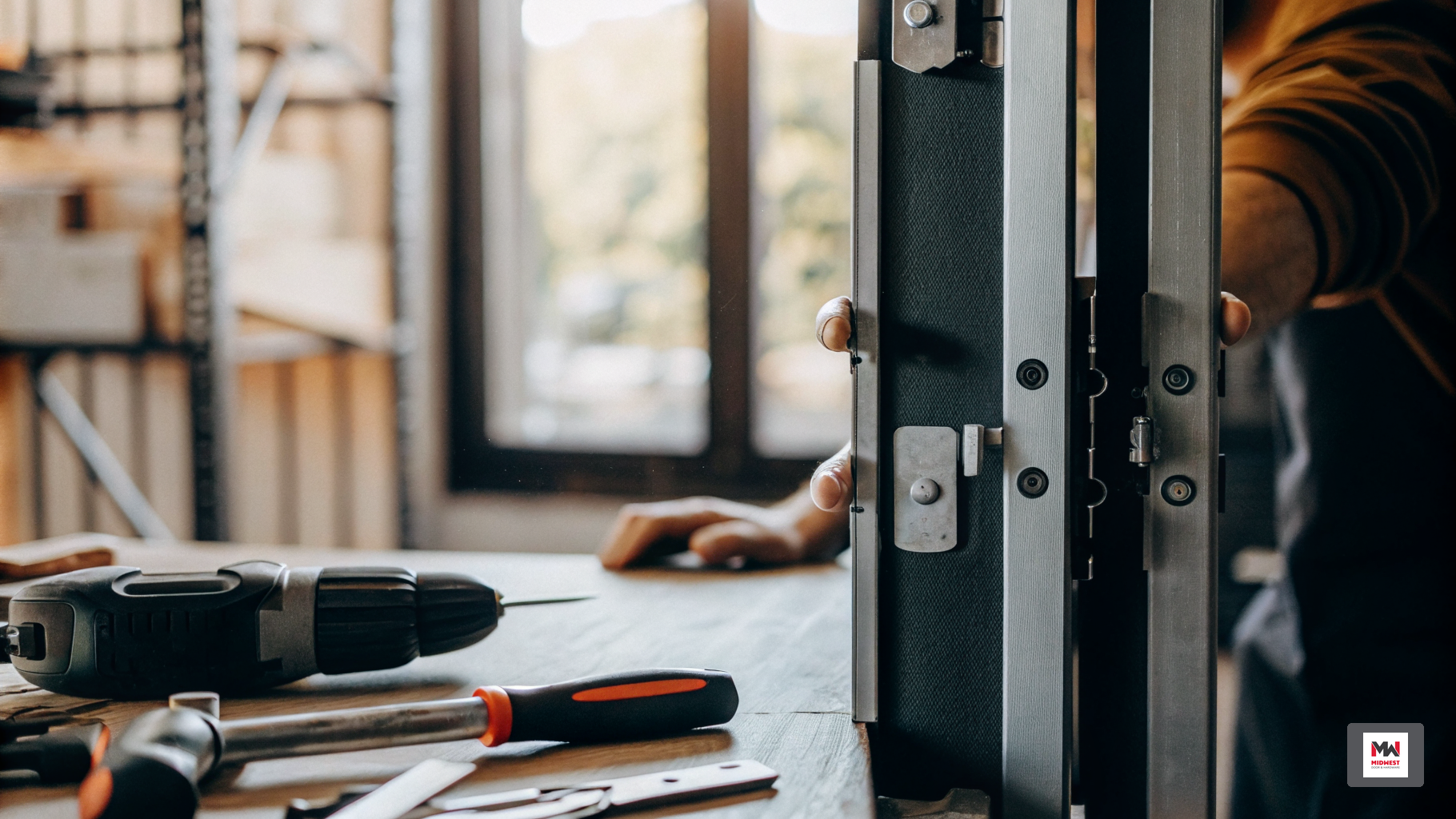
Introduction
Selecting the right cylindrical latch is crucial for ensuring the security and functionality of entryways in schools and commercial buildings. This guide will walk you through the key steps for selecting, installing, and maintaining cylindrical latches, helping you boost your security measures effectively.
With numerous options available, the risk of making a poor choice increases, potentially compromising security and functionality. Making an informed decision ensures enhanced security and functionality for entryways.
Understand Cylindrical Latch Basics
Choosing the right round fastener is essential for ensuring security and functionality in commercial entrances. Understanding the key components of a round fastener and their functions is crucial for making an informed choice:
- Lock Body: The main part of the latch that houses the locking mechanism.
- Latch Bolt: This component extends into the frame to secure the entrance when closed.
- Cylinder: The part where the key is inserted to operate the mechanism.
- Trim: The visible part of the mechanism on the door, which can be a knob or lever.
Understanding these components not only aids in selection but also ensures the fastener is installed correctly, enhancing the overall security of your entryway.

Evaluate Key Selection Criteria
Choosing the appropriate cylindrical latch is essential for guaranteeing security and functionality in educational environments. Here are several key criteria to evaluate for optimal performance:
- Security Level: Prioritize locks that comply with ANSI/BHMA standards. Grade 1 devices are recommended for high-traffic areas due to their superior durability and security features, while Grade 2 ones are suitable for exterior entrances and sensitive interior areas. This compliance is crucial for maintaining safety in environments such as schools.
- Material: Select durable materials such as stainless steel or brass. These options provide excellent durability and resist wear, making them suitable for daily use in schools.
- Functionality: Identify the required mechanism function-whether Passage, Privacy, Storeroom, Classroom, or Office/Entry-based on the specific purpose of the entrance. This ensures that the lock operates correctly for its intended use, which is vital for effective school security.
- Compatibility: Confirm that the fastener is suitable for the current entry preparation and thickness to ensure proper installation and operation. Additionally, verify fire rating compatibility for fire-rated door assemblies to comply with safety codes, which is essential for protecting students and staff.
- Aesthetics: Choose a finish and design that harmonizes with the overall decor of the building, enhancing its visual appeal while maintaining a secure environment.
Choosing the wrong cylindrical latch can jeopardize security and safety in educational settings. By evaluating these factors and consulting with security experts, you can select a latch that meets security standards and fits the building's design. Additionally, integrating advanced security measures, such as access control systems, is essential for safeguarding educational facilities against potential threats.

Implement Installation and Maintenance Best Practices
Proper installation is essential to ensure the effective operation of a cylindrical latch. Follow these steps for a successful installation:
- Gather Tools: Essential tools include a drill, drill bits (2-1/8" and 15/16"), a chisel, a screwdriver, and a measuring tape. Using the right tools is essential for a successful installation, as confirmed by industry standards.
- Prepare the Door: Mark the positions for the fastener and cylinder according to the manufacturer's template, then drill the necessary holes.
- Install the Fastener: Insert the fastener into the edge of the entrance, ensuring it is flush with the surface, and secure it with screws.
- Install the Cylinder: Place the cylinder into the hole drilled on the surface of the entrance, ensuring proper alignment with the catch. Be cautious, as neglecting maintenance can lead to operational issues with the cylindrical latch, making it hard to turn.
- Attach the Trim: Install both the exterior and interior trim, securing them with screws.
- Test the Lock: Confirm that the mechanism operates smoothly and that the key turns easily.
Maintenance Tips:
- Regularly clean the lock cylinder using compressed air to eliminate debris. Consider reaching out for expert maintenance assistance to keep your locks in top condition.
- Apply a dry, graphite-based lubricant to the locking mechanism to prevent sticking and ensure smooth operation. Avoid using liquid oils, as they can attract dirt and cause issues. We can help you choose the most effective lubricants tailored to your hardware needs.
- Periodically check screws to ensure they are tight and the mechanism remains secure. Consider utilizing our preventive care services for thorough inspections.
- For optimal performance, consider an annual hardware health check to assess the entire entry system and address any potential issues before they escalate. Midwest Door & Hardware can assist with comprehensive assessments and maintenance plans.
At Midwest Door & Hardware, we provide comprehensive installation support and services to ensure your projects are completed with precision. Our team is here to assist with everything from pre-installation hardware setup to ongoing maintenance, helping you close out projects with confidence. By prioritizing maintenance, you can prevent minor issues from escalating into costly repairs.

Troubleshoot Common Issues
Several common issues can arise with cylindrical latches that, if not addressed, may compromise security and functionality. Key sticking is a common issue with cylindrical latches, often caused by debris in the keyway. To resolve this, clean the keyway with compressed air and apply a silicone lubricant.
When a latch fails to engage properly, it’s crucial to check the alignment and ensure screws are tightened. Misalignment can lead to security vulnerabilities, as seen in instances where entrances fail to secure due to improper installation.
Loose trim can affect the stability of your latch; tightening the screws is the first step to resolving this issue. If the problem persists, check for stripped screw holes and consider using larger screws or wood filler.
Difficulty in securing the latch often indicates wear on the bolt; inspecting and replacing it can restore functionality. Ensure that the door and frame are aligned properly, and if issues continue, expert help may be required. By proactively addressing these issues, you can ensure the reliability and security of your system with the cylindrical latch.

Conclusion
Selecting the right cylindrical latch is crucial for ensuring both security and functionality in environments where safety is a top priority. Understanding the components of a cylindrical latch is the first step. Next, evaluate key selection criteria such as:
- Security levels
- Material durability
- Functionality
- Compatibility
- Aesthetics
Each of these factors plays a pivotal role in ensuring that the latch operates effectively and securely. Following proper installation steps - gathering the right tools, preparing the door, and testing the lock - is essential for achieving optimal performance. Additionally, proactive maintenance and troubleshooting tips help address common issues, ensuring the latch remains reliable over time.
Neglecting to select and install the right cylindrical latch can lead to security vulnerabilities and compromised safety. By prioritizing these steps, one can safeguard not only the physical security of a space but also contribute to a sense of safety and well-being for all who enter. Embracing these practices is essential for maintaining a secure environment, particularly in places where safety is paramount.
Frequently Asked Questions
What is a cylindrical latch?
A cylindrical latch is a round fastener used in commercial entrances that provides security and functionality.
What are the key components of a cylindrical latch?
The key components of a cylindrical latch include the lock body, latch bolt, cylinder, and trim.
What is the function of the lock body in a cylindrical latch?
The lock body is the main part of the latch that houses the locking mechanism.
What does the latch bolt do?
The latch bolt extends into the frame to secure the entrance when the door is closed.
What is the cylinder in a cylindrical latch?
The cylinder is the part where the key is inserted to operate the locking mechanism.
What is the trim on a cylindrical latch?
The trim is the visible part of the mechanism on the door, which can be a knob or lever.
Why is it important to understand the components of a cylindrical latch?
Understanding these components aids in selecting the right fastener and ensures proper installation, enhancing the overall security of the entryway.
List of Sources
- Understand Cylindrical Latch Basics
- Schlage® Expands Commercial Portfolio with New Performance Series™ Locks (https://prnewswire.com/news-releases/schlage-expands-commercial-portfolio-with-new-performance-series-locks-302567412.html)
- linkedin.com (https://linkedin.com/pulse/cylindrical-locks-market-technology-trends-innovation-m9woc)
- glassmagazine.com (https://glassmagazine.com/news/2025/yale-and-master-lock-announce-new-lines-smart-locks)
- centralstatesco.com (https://centralstatesco.com/news/central-states-introduces-new-sentry-self-storage-latch-and-combo-latch)
- finance.yahoo.com (https://finance.yahoo.com/news/yale-master-lock-professional-grade-141500439.html)
- Evaluate Key Selection Criteria
- cdfdistributors.com (https://cdfdistributors.com/blog/post/commercial-lock-selection-guide)
- blog.ansi.org (https://blog.ansi.org/ansi/ansi-grade-levels-bhma-locks-hardware-tests)
- A Guide To Commercial Door Lock Systems (https://security101.com/blog/sanfrancisco/a-guide-to-commercial-door-lock-systems)
- goteamtrust.com (https://goteamtrust.com/blog/locksmith/ansi-bhma-lock-standards-compliance-guide)
- buildershardware.com (https://buildershardware.com/ANSI-BHMA-Standards/Product-Grade-Levels)
- Implement Installation and Maintenance Best Practices
- lakelandcurrents.com (https://lakelandcurrents.com/how-to-maintain-your-locks-for-long-lasting-security)
- iisdoodesign.com (https://iisdoodesign.com/news/2026-complete-guide-to-door-lock-care-from-mechanical-to-smart)
- Lock Cylinder Maintenance 101 - LaForce, LLC (https://laforceinc.com/blog/door-lock-cylinder-maintenance-101)
- cdfdistributors.com (https://cdfdistributors.com/blog/post/commercial-lock-selection-guide)
- support.centrios.com (https://support.centrios.com/en/cylindrical-lock/Tips-and-tricks-to-a-successful-install)
- Troubleshoot Common Issues
- actionlockanddoor.com (https://actionlockanddoor.com/5-common-issues-with-door-locks-and-how-to-fix-them)
- mingyilock.com (https://mingyilock.com/info/common-problems-with-cylinder-locks-and-how-to-103204127.html)
- powerkeyslocksmith.com (https://powerkeyslocksmith.com/blogs/common-lock-problems-and-how-to-fix-them)
- smartchoicesecurity.co.uk (https://smartchoicesecurity.co.uk/cylinder-lock-troubleshooting-common-issues-and-solutions?srsltid=AfmBOorpUH_TnemtqRkUvYOvxd48Euissxj6_60fz5UFS3bRpKS_uR6Y)
Related News
Check out more of what we’ve worked on.